


此文是福州vi設計公司關于設計公司如果推廣和營銷企業的分享,福州vi設計公司旨在想讓更多的設計公司提高設計業務能力!
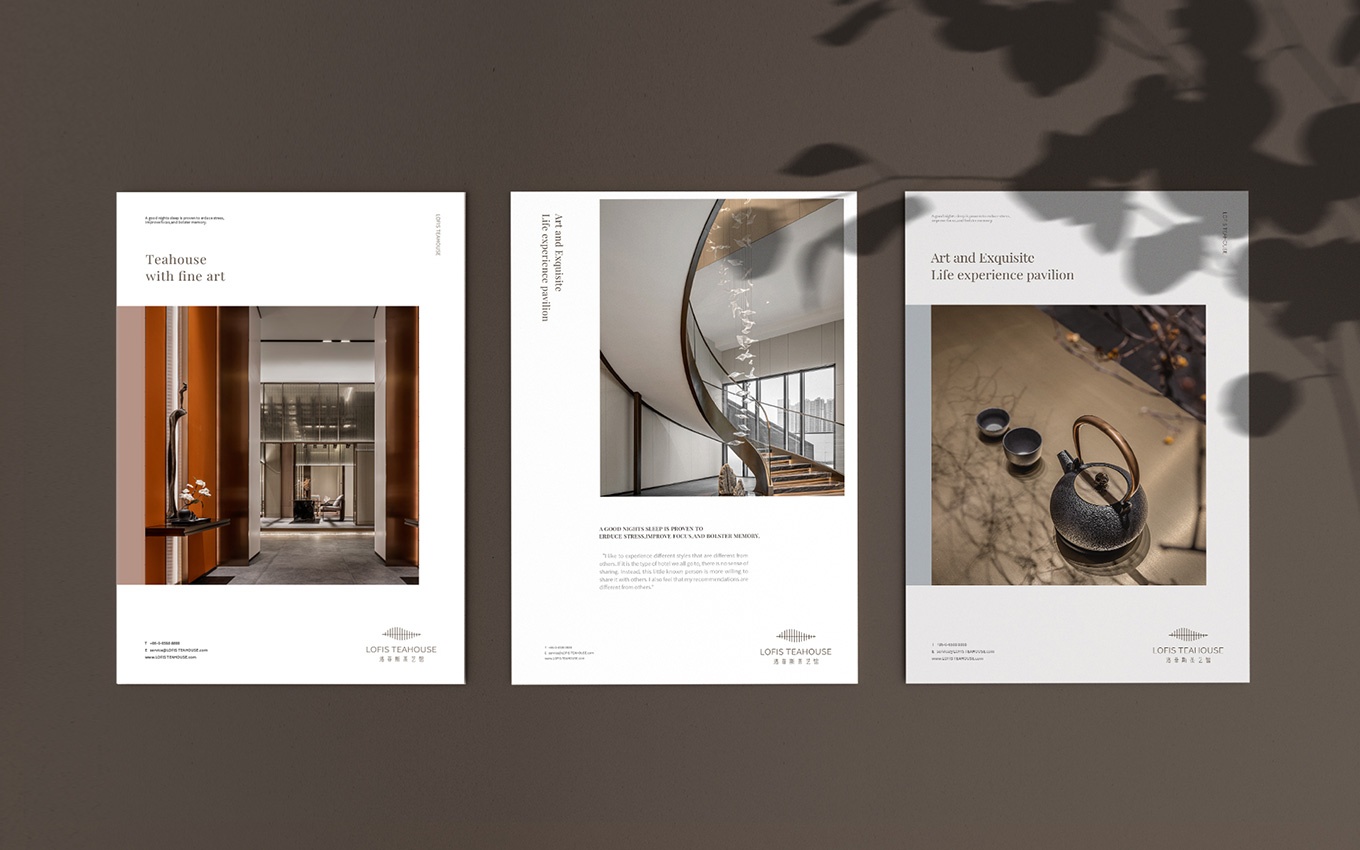 注:配圖為UCI設計公司作品
臉書營銷。每個人都說你應該這樣做,但是知道你應該在網上營銷你的業務和實際有效地做是兩回事。
建立一個商業頁面,投放廣告,整理發布時間表,創造偉大的內容…你從哪里開始呢?
好消息是,在這篇文章中,我們將揭開臉書營銷的神秘面紗。臉書營銷是一個大話題,所以這不會是一個快速閱讀,但我們會涵蓋你需要知道的一切,以營銷你的臉書業務。沒有廢話,只是你今天可以使用的實用建議。
準備好了嗎?讓我們開始吧!
為什么選擇臉書營銷?
在我們深入研究臉書營銷的細節之前,讓我們后退一步,看看為什么臉書營銷對大多數企業來說是一個好的投資。
答案相當簡單:達到。
良好的數字營銷可以讓你與潛在客戶建立聯系,否則他們永遠不會購買你的產品。多虧了互聯網,這些人可以在世界任何地方,如果他們對你賣的東西感興趣,你可以在網上給他們打廣告。
當然,訣竅在于找出如何接觸到你的目標受眾。這是臉書真正閃光的地方。
截至2017年12月,臉書在全球擁有14億日活躍用戶。是的,那是帶" b "的十億。如果這還不夠,這些用戶平均每天花50分鐘在臉書上。
所以,如果你想面對大量的潛在客戶,臉書是很難被打敗的。
然而,所有這些都帶來了負面影響:大多數用戶可能不太關心你賣的是什么。如果你不小心你的臉書營銷,你可能會花費大量的時間,金錢和精力向錯誤的人推銷你的業務。
與任何營銷渠道一樣,臉書營銷的訣竅是弄清楚如何在正確的時間將正確的營銷內容呈現在正確的人面前……這就是本文接下來的內容。
是什么讓臉書營銷與眾不同
好的營銷就是建立關系。是的,你可能會從定價、廣告支出回報、參與率或其他寬泛的指標來考慮你的營銷,但對你的客戶來說,這一切都是關于他們與你的品牌的關系。
我信任你的公司嗎?我相信你的觀點或信息嗎?我覺得你的企業致力于滿足我的需求嗎?我覺得你的產品或服務值得我花錢嗎?
你的潛在客戶不斷地問自己這類問題。在他們購買之前,他們需要感覺到他們可以信任你的企業、你的品牌和你賣的東西。
換句話說,他們希望與你的企業建立信任關系。
好消息是,臉書是一個致力于人際關系的在線平臺。社交媒體就是與他人建立、分享和保持關系。這一點很重要,因為你的臉書營銷的成敗將取決于你能否利用臉書注重社交和關系的特性與你的潛在客戶建立積極的關系。
我現在提出這個想法是因為它將是我們在本文剩余部分討論的所有內容的基礎。為了讓你的臉書營銷成功,你需要專注于幫助你的目標受眾與你的企業建立積極的關系。
就像你的人際關系一樣,如果你的業務讓人討厭、垃圾郵件或者要求苛刻,人們不會喜歡你,也不會對你的營銷做出好的回應。但是,如果你樂于助人、有趣并提供價值,你將贏得人們的心——以及他們的生意。
設置您的臉書商務頁面
不管你想如何使用臉書來營銷你的公司,你不能沒有臉書網頁做臉書營銷。這非常簡單(6000萬個企業已經這樣做了,這意味著臉書有很多機會來完善他們的流程),所以讓我們快速瀏覽一下設置過程。
創建您的臉書頁面
臉書頁面與臉書頁面不同。是的,臉書的網頁看起來非常像臉書的個人資料,但它提供了各種不同的營銷選項,這是普通的個人資料所沒有的。
例如,以下是破壞的的臉書頁面:
正如你在上面看到的,你"喜歡"一個企業,而不是"加為好友",臉書頁面可以有評論,列出地址,包括聊天選項,甚至提供"立即呼叫"或"訪問網站"等行動按鈕。
如果你想通過臉書的個人資料來推廣你的業務,請注意,臉書有刪除或屏蔽使用這種方式的賬戶的傾向。此外,臉書頁面讓你可以訪問營銷選項,如臉書廣告,這是你無法用個人資料運行的,所以為你的企業創建一個臉書頁面是非常值得的。
要創建您的臉書頁面,請單擊此處。
此時,您可以選擇要創建的頁面類型:
您選擇的頁面類型將會改變您在頁面上可以訪問的字段,因此最好選擇一種與您想要在臉書上完成的任務非常接近的頁面類型。
例如,如果你是一家當地慈善機構,經常舉辦社區活動來籌集資金,你可能會更好地選擇"事業或社區"而不是"當地企業或地方",即使從技術上講你跨越了這兩個選項。
你必須有一個個人臉書帳戶來管理臉書頁面,所以你需要在選擇你的公司名稱后登錄到你的個人帳戶(小心選擇你的名稱,因為在你的頁面上線后更改它會很麻煩)。
一旦您登錄并選擇了您的企業名稱,點擊"開始"創建您的頁面!您將被重定向到閃亮的新頁面,在您開始使用它之前,您需要對其進行一些定制。
個人資料圖片
這是社交媒體,所以你的個人資料照片很重要。無論你是在帖子上發表評論還是出現在搜索結果中,它都將在整個臉書識別你的企業。
如果你是一個有官方標志的大企業,這是一個使用它的好地方。
或者,如果你是一名自由職業者或有一個基于個性的業務(藝術家,樂隊,公眾人物,MLM等),你可能想為你的個人資料圖片使用更個性化的照片。只要確保它至少是180 x 180像素。
封面照片
添加一張封面照片也是一個好主意,因為沒有什么比空白的封面照片更能讓人覺得"我不知道我在臉書做什么"。你的封面照片是你的臉書頁面頂部的大水平圖像。
不像你的個人資料照片,你可以在封面照片上表現出一定的靈活性和創造性。例如,在破壞性的,我們在一年的不同時間拍攝了不同的節日主題封面照片。
或者,你也可以用你的封面照片為即將到來的活動或你目前正在進行的特別銷售做廣告。
官方公布的臉書封面照片是851像素乘315像素,但是(像你的個人資料圖片一樣)你總是可以選擇上傳一張不符合這些尺寸的圖片,并使用臉書的裁剪功能來適當調整你的圖片大小。
描述
臉書頁面的另一個重要元素是你的描述。圖片很棒,但是有些東西真的最好用文字來表達。
如果你在歡迎菜單中,你所要做的就是點擊"添加簡短描述"(很方便,是吧?).臉書有155個字符的字符限制,但一個好的描述應該簡短而甜蜜,所以你希望不必擔心達到限制。
如果您想稍后編輯您的描述,您可以隨時點擊您的個人資料圖片下的菜單中的"關于"。這將為您提供編輯各種業務詳細信息的選項:
一般來說,帶有些許個性的專業描述效果最好。請記住,你正在努力建立一種關系,所以你想給人留下有趣和難忘的印象。但是,你仍然在經營一家企業,所以你也需要聽起來很專業。
創建用戶名
最后,在你開始在臉書上推廣你的業務之前,你需要創建一個用戶名。這是臉書將用于您的自定義臉書網址(又名,虛榮心網址)的唯一標識符。
如前所述,改變你的臉書網址是相當困難的,所以確保你選擇一個在可預見的將來你覺得舒服的名字。
不幸的是,臉書上有6000萬其他企業,你想用的用戶名很可能已經被占用了。在這種情況下,您將有50個字符來找到一種方法,使您的用戶名唯一,而不會創建一個很難記住或與您的企業關聯的名稱。
要考慮的其他臉書頁面元素
此時,你的臉書頁面在技術上已經完成,你可以開始運行廣告或分享你的頁面。然而,有幾個額外的領域你可能要完成,特別是如果你計劃在你的網上營銷工作中大量使用你的臉書網頁。
添加其他用戶
臉書頁面相對于臉書頁面的優勢之一是允許多人幫助管理您的頁面。為此,您需要管理您的頁面角色。
點擊頁面右上角的"設置"鏈接,然后點擊左側欄中的"頁面角色"。從那里,您將能夠通過姓名或電子郵件地址(使用"分配新的頁面角色"搜索欄)找到人,并在您的頁面上給他們分配一個角色。
通知
雖然這不會直接影響您在臉書上推廣業務的能力,但您可以點擊"設置"左側菜單欄中的"通知"選項,決定您希望臉書通知您頁面活動的頻率。
行動號召
還記得我們之前談到的添加行動號召(CTA)的能力是創建臉書頁面的額外好處之一嗎?要選擇您的按鈕,請點擊封面圖片下方的"添加按鈕"。
在那里,您將有幾個三醋酸纖維素按鈕選項可供選擇:
使用這些選項,您可以讓人們直接聯系您,預訂服務,訪問您的網站,甚至進行購買。對于這些選項中的許多,你需要輸入一個網址、電話號碼或電子郵件,所以要確保你確切地知道你希望臉書把點擊你的按鈕的人送到哪里。
臉書市場營銷
從歷史上看,有兩種有效的方法來利用你的臉書頁面來營銷你的業務:1)通過張貼吸引人的內容來有機地建立追隨者,或者2)付費在臉書上投放廣告。
然而,由于臉書只有在你投放廣告時才能獲得報酬,而且大多數商業頁面的內容并不那么吸引人,臉書使得在他們的平臺上使用有機內容營銷你的業務變得越來越困難。
不管你稱這一舉動是搶錢還是優化他們的用戶體驗,事實是,這些天來,如果你想在臉書營銷,你可能必須付費才能玩。
有機達到:真的死了嗎?
在我們開始討論如何建立和運行有效的臉書廣告之前,讓我們花點時間來討論一下臉書有機廣告公司發生了什么。畢竟,在過去的十年里,營銷人員一直建議每個企業建立一個臉書網頁,并試圖通過有機內容建立一個追隨者。
什么變了?
不幸的是,在過去的幾年里,臉書讓第一個選擇變得越來越難。2014年,臉書宣布,"發布推廣創意的頁面應該預計它們的有機分布會隨著時間的推移而顯著下降。"
2016年,臉書在他們的新聞訂閱算法中添加了一些元素,以阻止點擊誘餌內容顯示給用戶。然后,上個月,臉書宣布他們將重新配置他們的算法,以優先考慮"來自朋友和家人的帖子,而不是公開內容"。
最終結果?根據臉書的說法:
隨著我們進行這些更新,頁面可能會看到他們的影響范圍,視頻觀看時間和推薦流量減少。這種影響會因頁面而異,受各種因素的影響,包括他們制作的內容類型以及人們如何與之互動。發布人們通常不會回應或評論的帖子的頁面可能會出現最大的分發量下降。帖子能促進朋友間對話的頁面效果會更差。
所以,如果你碰巧管理著一個像"失敗軍隊"這樣廣受歡迎的頁面,已經引發了很多評論和參與,這個更新可能不會傷害你。
另一方面,如果你像大多數企業一樣,要么只有很少的追隨者,要么你的帖子沒有很多評論,那么是時候表達你最后的敬意了:你的臉書有機食品區已經死了。
你應該繼續在臉書上發帖嗎?
雖然你可能不會從你的臉書帖子中獲得太多的有機聯系,但完全放棄你的臉書頁面并不是一個好主意。即使在有機發布仍然是在臉書推廣你的業務的合法途徑的時候,擁有一個臉書頁面的最大好處之一就是給潛在客戶一個了解你的業務的途徑。
還記得關系在臉書營銷中有多重要嗎?
你的臉書主頁是人們與你的企業建立關系的方式。因此,你在臉書頁面上發布的內容至關重要——即使只有那些因為想了解你的業務而訪問你頁面的人才會看到它。
結合這個想法和你在臉書的有機接觸可能會相當低的事實,你的臉書帖子應該考慮到潛在的客戶。這并不意味著你在臉書的帖子都應該是廣告。事實上,你通常應該避免在臉書上發布過度宣傳的帖子。
相反,創建帖子來幫助人們了解你公司幕后的人。展示是什么讓你的公司變得"真實"和可信(點評是與潛在客戶建立信任的另一個好方法)。這樣,如果人們查看你的臉書頁面,他們會感覺到你、你的產品或服務以及你的公司愿景之間的聯系,更有可能購買。
或者,如果你有很好的視頻內容,很好地向人們介紹了你的品牌,這可能是另一個很好的方式來充分利用你的頁面內容。
例如,在我們自己的頁面上有一個視頻"顛覆性的運行",已經產生了很多積極的反饋:
最后,因為你的臉書頁面現在更像是一個登陸頁面,而不是一個推送內容的地方,所以把特別好的內容放在頁面頂部可能是個好主意。這樣,當人們訪問你的頁面時,你最好的內容將是他們首先看到的。
要鎖定文章,只需點擊文章右上角的向下箭頭,然后選擇"鎖定到頁面頂部"。在你發布新帖子之前,帖子會一直停留在你頁面的頂部。
隨著臉書的新聞訂閱算法最近的變化,你的有機接觸可能不是很好,但這并不意味著你的臉書頁面不能成為與潛在客戶建立關系的好方法。訣竅在于找出哪種類型的內容最能讓人們相信你是一家他們可以信任的公司。
臉書廣告公司
好消息是,雖然臉書可能會打擊新聞提要中的有機營銷內容,但你仍然可以獲得臉書營銷的力量……如果你愿意付費的話。
顯然,付費在臉書上運行贊助內容比簡單地在你自己的頁面上發布內容要貴得多,但是臉書的廣告讓你接觸到更多的觀眾。如果你做得好,臉書廣告可以為你的生意帶來驚人的效果。
在臉書上投放付費廣告
臉書有一個有趣的廣告模式。在臉書的廣告模式下,你定義一個你希望看到你廣告的目標受眾,然后為你愿意在給定時間段內花多少錢讓人們做一些事情(觀看你的視頻,點擊你的廣告,成為一個線索,進行購買等)設定一個預算。
付費搜索廣告只有在有人點擊你的廣告時才會付費,與此不同,臉書使用的是一種更接近于按印象付費的模式。臉書的算法盡最大努力讓盡可能多的人在你的預算內采取你想要的行動(又名,轉化),但如果你的廣告沒有很好地讓人們采取行動,你最終會為每個行動付出更多。
換句話說,臉書會拿走你的錢,把你的廣告放在你的目標受眾面前,但要靠你來說服他們改變信仰。
考慮到這一點,讓我們來談談如何利用臉書廣告開展營銷活動。
建立臉書廣告活動
臉書廣告使用一個三層系統來組織你的營銷工作。您的特定廣告包含在廣告系列中,而廣告系列又包含在活動中。
第一次在臉書廣告中創建活動時,您可以選擇兩個廣告管理平臺:廣告管理器和超級編輯器。總的來說,我建議新手使用廣告管理器,但是如果你正在運行幾十個或幾百個廣告,你可能需要超級編輯器的附加工具。
要創建您的第一個活動,請單擊臉書右上角的向下箭頭,然后單擊"創建廣告":
您將被帶到廣告管理器,那里會提示您選擇一個活動目標:
選擇您的目標,命名您的活動,然后點擊"設置廣告帳戶"(或者如果這不是您第一次在此帳戶上創建廣告,請點擊"繼續")。
接下來,您將獲得多種目標選項,可用于定義您的目標受眾:
位置
如果你的公司是本地的,只向某些地區發貨,或者只想在某個地方做廣告,這是一個很好的設置。基本上,這個選項允許你使用不同級別的定位(城市,州,郵政編碼,國家等)來定位該位置指定半徑內的任何人。
例如,如果您想要定位一個購物中心,您可以鍵入名稱或地址,并設置您所在位置的半徑。
你也可以瞄準那些只住在那個特定地點的人,如果你是像牙醫一樣的人,這很好(相對于那些只是去那個特定地點的人)。或者你可以針對"這個地方的每個人",包括居民和路過的人。
人口統計數據
根據您的企業通常服務的對象,這種設置可以很好地確保您的廣告只顯示給具有正確教育水平、政治派別、關系狀態或其他各種類別的人。
人口統計目標的有用性將在很大程度上取決于你對你想要瞄準的受眾的人口統計的了解程度。例如,關系狀態的改變對于婚禮場地來說是一個很好的目標設定…但是對于餐館來說就沒那么有幫助了。
興趣
臉書通過查看用戶檔案中列出的興趣和他們喜歡的頁面來確定一個人的"興趣"。
這里再一次,usefu
lness of “Interests” will vary depending on what your business is trying to sell. BehaviorsBehaviors allows you to target people based on job role, purchasing behavior or other specific actions that a user takes on Facebook.
As you might imagine, while these targeting options are interesting, certain companies will get a lot more value out of these targeting options than others. Fortunately, though, audience targeting isn’t your only targeting option for Facebook Ads.
In addition to the general targeting options listed above, there are a couple of other ways to target your ads that you should be aware of.
RetargetingAnother effective way to build an audience on Facebook is through retargeting. Facebook retargeting works much the same as every other type of retargeting, with one special advantage: you can use Facebook retargeting to create lookalike audiences.
We won’t get into the specifics of how to set up and use Facebook retargeting in this article, but it’s a great option to be aware of. For more information on how to set up and use Facebook retargeting, read this article.
Lookalike AudiencesHopefully, in the process of marketing your business, you’ve collected a large list of emails. The good news is, you can upload that list of emails to Facebook and Facebook will find any profile associated with an email on that list. All of those profiles will go into a new?custom?audience that you can then target on Facebook.
So, if someone visited your website, filled out a form and then never responded to your outreach attempts, you can use this feature to get back in front of them on Facebook.
However, it doesn’t stop there.
Facebook also has a feature called “lookalike audiences” that identifies Facebook users who are very similar to the users in your email list and creates an audience around those users that you can market to. This algorithm is remarkably effective, which means you can essentially use lookalike audiences to market to thousands or even millions of people who are highly similar to the people who have already expressed an interest in your firm.
As an added bonus, you can use lookalike audiences with your retargeting audiences, too, so you can focus your marketing efforts on the people who are most likely to respond to your ads. To learn more about how to use lookalike audiences, check out this article.
As you adjust your targeting, you’ll notice that the display gauge in the upper right-hand corner of the page updates with estimates of your audience size and estimated daily results.
These numbers take your objective, targeting and budget into account to give you an estimate of what you can expect from your advertising.
As you can probably imagine, what you’re selling and the ads you create can have a huge impact on how effective your ads actually are, but its a good idea to keep an eye on this information to get a feel for whether or not your targeting and budget are reasonable.
Finally, you have the option to define your budget and what metric Facebook will be optimizing your ad placements for. We’ll get into detail about how to pick your budget in a minute, but for now, let’s quickly talk about what your options are in this section.
The biggest decision here is whether you choose to run ads with a lifetime budget or a daily budget. With a daily budget, your ads will run all day, every day, but you can run the campaign for as long as you like and Facebook will turn off your ads when you hit your budget.
With a lifetime budget, your ads will run for a set period and you won’t spend more than your budget. However, Facebook may spend more on certain days and less on others. Also, the lifetime budget option gives you access to dayparting, which allows you to control what days and times your ads are shown.
The rest of these settings are fairly specific to your campaign and business goals, so we won’t worry about them for now. On to ad creation!
Creating an AdAt this point, whether you realized it or not, you’ve created a campaign and an ad set. Now it’s time for the fun part, actually creating your ads! First, you’ll need to pick an ad format:
These ad types are fairly self-explanatory and most people opt for a carousel, single image or single video ad type. For certain businesses, canvas ads can be an interesting option as well (for more on that, click here).
At this point, you’ll need to upload a 1,200 pixel by 628 pixel featured image (or images/video, depending on the format you chose), write your headlines and body copy, pick an appropriate call-to-action and add any links you want people to click on.
In previous years, Facebook would not allow ads with images that were only 20% text. Today, Facebook is more relaxed about this rule, but it still gives priority to images with less text.
Fortunately, Facebook does offer a tool you can use to get a feel for how closely your image follows their guidelines, which you can check out here.
As you can probably imagine, these guidelines put a lot of pressure on you to write compelling ad copy for your Facebook ads. Here are a few things to keep in mind as you put your Facebook ads together.
Stay on TargetWhat’s the first thing you do when you create a Facebook Ad? You choose an objective, which aligns with the goal you want to accomplish. As you create your ads, you should constantly be asking yourself, “How will this help me achieve my goal?”
An ad meant to drive sales will have very different copy and imagery than an ad intended to get users engaging on a mobile app.
This ad uses “Learn More” to win over tentative users, instead of a more immediate “Sign-Up” CTA that might lose them.
With this in mind, you’ll also want to choose your CTA early on, even though it’s one of the last steps in the ad creation process. Knowing whether you want users to “learn more,” “contact us,” or “shop now” can have a big effect on how you design your ad.
Think About Your AudienceUnderstanding your audience is just as important as knowing what you want them to do.?How will they use your product? What pain points do they have that you need to solve? Even within your overall audience, different niches will have different priorities, problems, and objections.
This ad solves the pain point of “healthy eating is hard” – not that it’s “expensive,” which would be the pain point for a different audience.
Picking the right images and ad copy is all about knowing who your audience is and what they want. If you don’t know who you are targeting, you’ll never be able to convince them to convert.
Create a?HookYour hook is the angle that you’re going to use to reel potential customers in. This is what will grab their attention. Emotional hooks are always a good option, but logical and educational hooks also work well.
In many cases, the hook will translate directly into the headline. The hook should tell users “why” they should care, click, watch, or convert.
Sometimes, the “why” comes before the “what,” offering up the pain point or the problem before the actual solution. This is a great way to approach your advertising, because it puts the problem fresh in the customer’s mind, giving you the perfect opportunity to present a solution they’ll be excited to hear.
Anticipate Their ObjectionsWe mentioned objections briefly in the “understand your audience” section, but it’s essential to consider it again when you’re actively writing the ad copy: you must anticipate your audience’s objections so you can fight them.
Objections will be what prevents a user from converting, or even clicking. They assume that your meal delivery service will be too expensive, or that your beach shoes will be cheap material and fall apart the second they hit the hot sand.
Apple’s simple copy reminds users that “All the computer stuff you love” is still available on the iPad Pro. This is offsetting an objection of limited capabilities.
In addition, you should make sure that your ads don’t provoke any objections, and—if possible—puts them to rest. In some cases, even adding just one word to the copy can help prevent objections from ruining your ad’s potential. Saying “affordable meal delivery service” and “durable beach shoes” can offset objections from the get-go.
Keep it Simple, StupidFor many business owners and marketers, our first instinct is to be like the entrepreneurs on Shark Tank who keep saying “oh and one more thing!” even after the Sharks have already made offers or bowed out. We know how amazing our products are, and we want the whole world to know every single reason why.
Realistically, you can only fit one or maybe two feature/benefits into a single Facebook or Instagram Ad. This means that we need to choose the one or two benefits that will speak to a specific audience’s pain points and interests the strongest.
Your sentences should also be short and sweet. Users typically skim through ad copy, so you want your point to get across cleanly and immediately.
One way to trim down your ad copy is to write a sentence and then chop away at least a third of the words. Keep the phrasing as compact and to-the-point as possible and your Facebook Ad copy will be significantly stronger.
While you’re fine-tuning the copy itself (which typically means cutting words), go through and eliminate any corny language that makes you sell like a bad car salesman or like an email containing a computer-crashing virus.
This includes how you choose to punctuate and capitalize the copy—no one wants to see all caps informing you that “ONLY THREE DAYS LEFT ON THE BEST SALE WE’VE EVER HAD DON’T MISS IT YOU’LL REGRET IT.”
There’s no reason for this ad to have the link to the site in the ad itself. It should just be in the CTAit clutters the copy and looks like spam. It also lacks transparency by saying “see how much you can save!” instead of telling users outright.
Some emojis can be okay, but adding lots of arrows pointing to where you want users to click is a no-go. You’ll also want to eliminate phrases like “Stock going fast, you’ll miss out if you don’t order now!” This works fine in an email, but it’s wasting up limited space in an ad, and just comes across like a bad line.
Short and sweet. It’s clearly a promotion, but it doesn’t feel like someone is trying to force you to buy something.
As we discussed earlier, Facebook marketing is all about relationships, so try to sound like a real human person instead of a broken record trying to trick the user into buying something.
Create Specific Landing PagesAs a general rule of thumb, it’s best not to send Facebook Ad traffic to your home page. A good Facebook ad will have a very specific message and that message needs to be closely reflected by the content of the landing page.
Unfortunately, as great as your homepage might be, it has to meet a lot of needs, which makes it hard to focus your business’s home page on delivering one specific message that happens to match the message of your ad.
Instead, it’s best to create a separate landing page for each new campaign. This will make your ads more effective and allow you to make the most out of those Facebook clicks.
As you create your landing pages, it’s a good idea to use what you know about your audience from your Facebook audience targeting. For example, if you’re mostly targeting 60+ year old women,?a picture of a mom with kids may not resonate well with your target audience. On the other hand, a picture of a 60+ client might work a good deal better.
To be honest, if you aren’t willing to go to the trouble of creating specific landing pages for your Facebook ads, running Facebook ads may not be for you. It might get you a lot of traffic, but paying to send a lot of traffic to the wrong page is a great way to waste a lot of money.
The quality of your ads can make or break your Facebook marketing. You can be targeting the right audience at the right times and have all the budget in the world, but if your ads don’t sell, it’s all a waste of money.
How Much Do You Need to Spend?Speaking of wasting money, let’s circle back to your Facebook budget. When you get right down to it, your overall Facebook marketing strategy and your Facebook marketing budget go hand-in-hand.
If you approach it right, you can (and should) plan both at the same time. After all, if you know who you are marketing to and what they are worth, you can use that information to figure out how much you can afford to spend on marketing to bring in a new customer.
There are 4 basic steps to creating an effective Facebook marketing strategy and budget.
1. Define Your GoalsTo figure out what you need to spend on Facebook, you first need to clarify what your goals are for Facebook advertising. These can vary quite a bit depending on whether your ultimate goal is to drive clicks, conversions or leads, sales, revenue or a certain return-on-investment (ROI).
When you get right down to it, the ultimate goal of Facebook marketing?should be ROI. After all, if your Facebook spend isn’t driving profitable revenue for your business, why are you advertising on Facebook?
Clicks and even conversions are great, but your?company doesn’t make money from clicks (in fact, you actually?spend?money on clicks) or conversions. It makes money from sales.
With that in mind, the first thing you need to determine before you decide what your Facebook marketing budget should be is to decide how much revenue you want to drive using Facebook. Once you know that, you can use that information to determine how much ad spend it will take to reach that revenue goal.
2. Create Your Buyer PersonasOnce you know how much money you want to make from Facebook advertising, you need to identify?who you are marketing to.
Now, about?72% of marketers are familiar with buyer personas, but only 30% actually create effective buyer personas?that aid them in their marketing goals.
That’s a problem, because different buyer personas require different advertising.?On Facebook, that means different target audiences, different messaging and different landing pages. Even more importantly, different buyer personas turn into different types of buyers.
So guess what? If you don’t understand your buyer personas, you can’t create?an effective Facebook?budget!
If you’ve got a sales team, talking to sales?can be one of the fastest ways to get a decent buyer persona together. After all, they’re the ones who talk to your customers the most, right?
However, even talking to your sales team and doing a little research isn’t enough to really get at the level of detail you need to put together an effective Facebook budget. To do that, you need to get on the?phone and call?your actual customers.
Ask how they found you, why they converted and what convinced them to pay you. This information will give you a ton of insight into your marketing and sales funnels that you can use to both improve the performance of your paid search advertising and choose your Facebook marketing budget.
3. Figure Out What Your Buyer Personas are WorthTypically, people look at buyer personas as a good way to craft an effective marketing strategy. Buyer personas are great for this, but they are also an important part of putting together an effective Facebook marketing budget.
For example, imagine you are advertising for a SaaS business called SaaS-A-Frass that has the following pricing structure:
In this situation, you’re probably targeting 3 different buyer personas:
Small business “Steve” Mid-market business “Mandy” Enterprise business “Edward”Small business “Steve” has much smaller and simpler business needs than Edward or Mandy, so he’ll probably choose the Starter package. Mandy will probably want the Professional package and Edward will likely need the Enterprise package.
Assuming that Steve, Mandy and Edward stick around for an average of 14 months, 4 years and 9 years, respectively (average lifetimes for a SaaS client) and buy 5, 20 and 100 licenses (again, respectively), here’s the lifetime value for each of these personas ( [licenses/mo] x [# of licenses] x [typical customer lifespan in months] ):
Lifetime Value
Steve:?$1,750 Mandy:?$72,000 Edward:?$1,590,000These numbers look really exciting, but not all of that money is profit.
A normal SaaS company pays about?22% for fulfillment, 9% to sales and has a?40% overhead, leaving them with about 29% of the lifetime value of each client to play around with. That means to simply break even, SaaS-A-Frass has to spend less than the following to acquire a customer from Facebook:
Maximum Acquisition Cost
Steve:?$507.50 Mandy: $20,880 Edward: $461,100If SaaS-A-Frass can keep their acquisition cost below this threshold, they’ll make money. If it costs more than this to acquire each of these customers, they’ll lose money.
See why buyer personas are so important to budgeting?
Of course, it’s unlikely that the market is saturated with Edwards, so SaaS-A-Frass will need a mix of these deals to hit their revenue goals. That mix will dictate their Facebook budget.
So, if SaaS-A-Frass is willing to spend?$0.18 on marketing to produce?$1.00 in lifetime value (for a 11% total profit margin), SaaS-A-Frass’s can afford to pay the following for each buyer persona:
Customer Acquisition Cost
Steve:?$315 Mandy:?$3,750 Edward: $286,200If SaaS-A-Frass can’t produce paying customers from a particular buyer persona at a price point below this threshold, they probably shouldn’t be marketing to that buyer persona.
However, if SaaS-A-Frass’s Facebook ads are currently producing buyers from each persona at these CAC (or even a CAC below these thresholds), SaaS-A-Frass can use that information to then calculate their Facebook marketing budget.
4. Set Your BudgetAt this point, things are pretty simple.?Just take your CAC, average purchase order value and average number of purchase (if you have a subscription model, you can just use the average lifespan of each buyer persona here) and plug them into this calculator!
The default for this calculator shows the monthly budget and ROI for SaaS-A-Frass, assuming that SaaS-A-Frass wants to produce $2,425,500 in new revenue from Facebook advertising each month and they’ve determined that to do that, they need their Facebook marketing to produce 100 sales a month (90 Steves, 9 Mandys and 1 Edward).
Per our example, a?new Steve pays $125/mo for an average of 14 months, a new Mandy pays $1,500/mo for an average of 48 months and a new Edward pays $15,000/mo for 108 months.
Plugging all of that into the?calculator, SaaS-A-Frass will need to budget?$348,300/mo?for Facebook marketing to achieve their new lifetime revenue goals.
See? I told you this part is easy! Play around with the calculator and your different buyer persona numbers and see what sort of Facebook budget makes sense for your business. Or, if you’re dealing with a predetermined budget, use this calculator to look at your different buyer personas and see which target audiences you should be focused on.
Now, as you might imagine, this approach isn’t a perfect estimate of what it will take to hit your revenue goals. This calculator is only as accurate as the information you can give it. But, it’s a lot better than picking your monthly?at random and hoping that your Facebook budget will produce the results you need.
ConclusionAlthough it’s hard to get great organic reach out of Facebook these days, Facebook marketing is still a great way to reach potential customers across the globe. Facebook has an enormous, highly active user base that you can easily market to using Facebook Ads.
In addition, creating a well-designed Facebook Page is a great way to build important trust and relationships with your target audience. The better they get to know you and your business, the more likely they are to respond well to your ads and become paying customers.
By the way, if you would like some help getting into Facebook marketing (or need some help with your current Facebook marketing campaigns), let me know here or in the comments. I’d love to help!
How do you feel about Facebook marketing? What are your thoughts on Facebook’s deprioritizing of organic content from business pages? How do you think that will affect your Facebook marketing? Leave your thoughts in the comments!
Aden AndrusAuthor
Over his career, Aden has developed and marketed millions of dollars of successful products. He lays awake at nights figuring out new marketing tactics and is constantly upping Disruptive's internal marketing game. He loves to write, dance and destroy computer monitors in full medieval armor.
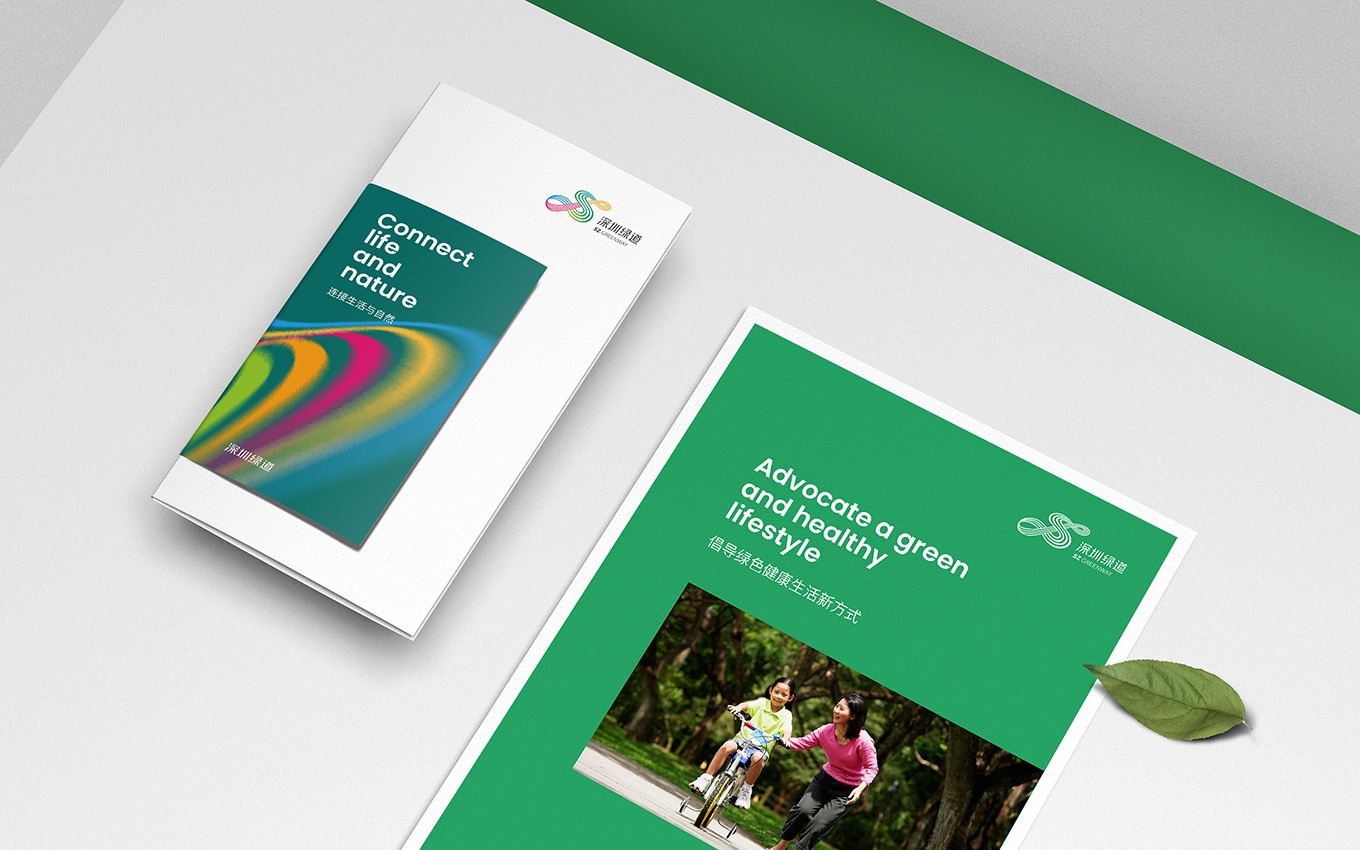 注:配圖為UCI設計公司作品
通過福州vi設計公司的精彩分享,設計師更輕松快捷地掌握福州vi設計公司分享的營銷與設計知識,幫助北京vi設計公司更好地服務好客戶 。


總監微信咨詢 舒先生

業務咨詢 舒先生

業務咨詢 付小姐