


此文是徐州品牌策劃公司關(guān)于設(shè)計(jì)公司如果推廣和營(yíng)銷企業(yè)的分享,徐州品牌策劃公司旨在想讓更多的設(shè)計(jì)公司提高設(shè)計(jì)業(yè)務(wù)能力!
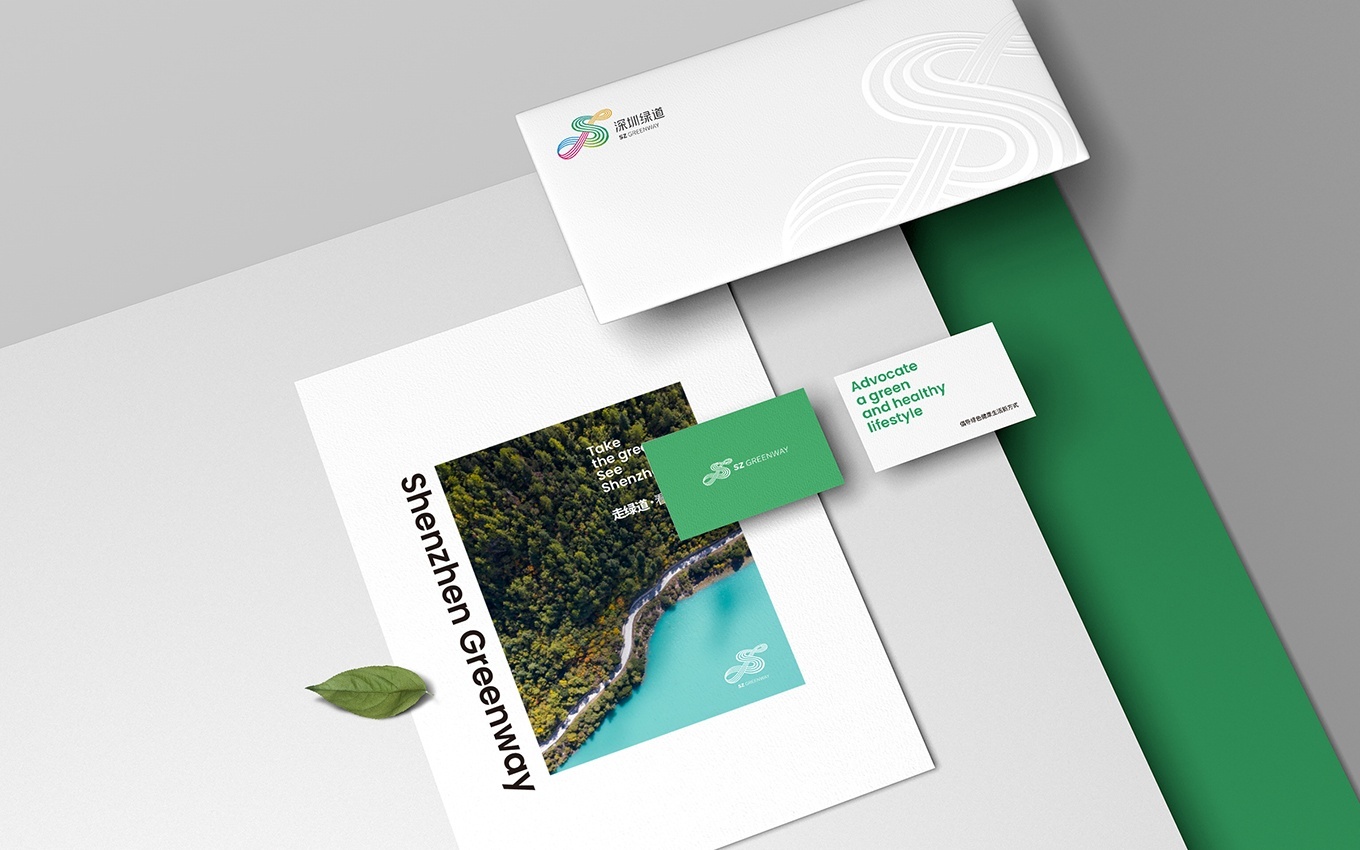 注:配圖為UCI設(shè)計(jì)公司作品
Google AdWords是數(shù)字營(yíng)銷平臺(tái)之王。不相信我?來(lái)點(diǎn)社會(huì)證明怎么樣?每花3美元在網(wǎng)絡(luò)廣告上,就有一美元花在Google AdWords上。
為什么?嗯,很簡(jiǎn)單。使用Google AdWords時(shí),企業(yè)會(huì)發(fā)展壯大。
例如,我們?cè)谄茐牡牡牡谝粋€(gè)客戶從25名員工增長(zhǎng)到250名員工,并帶來(lái)了數(shù)百萬(wàn)的利潤(rùn)——這都要?dú)w功于谷歌廣告詞。事實(shí)上,他們的Google AdWords活動(dòng)非常有效,以至于公司很難雇傭足夠的銷售人員來(lái)處理他們所有的線索!
從那時(shí)起,我們已經(jīng)幫助無(wú)數(shù)客戶使用谷歌廣告來(lái)改變他們的業(yè)務(wù)。一些客戶看到了如此大的成功,以至于他們已經(jīng)停止在任何其他平臺(tái)上做廣告,而另一些客戶則獲得了數(shù)百萬(wàn)美元的風(fēng)險(xiǎn)投資。
關(guān)鍵是,谷歌廣告奏效了。
如果你正在考慮嘗試谷歌廣告詞,這篇文章是給你的。我們將討論你在谷歌廣告詞廣告公司取得成功所需的一切(包括谷歌沒有告訴你的所有事情)。這需要做一些工作,但是如果你遵循了這篇文章中的建議,你將會(huì)很好地利用谷歌廣告的力量為你工作。
聽起來(lái)像個(gè)計(jì)劃嗎?我們開始吧!
為什么谷歌AdWords?
現(xiàn)在,你可能會(huì)問(wèn)自己,"為什么谷歌廣告詞如此有效?是什么讓谷歌廣告優(yōu)于其他任何類型的在線廣告?"
答案相當(dāng)簡(jiǎn)單:Google AdWords將你放在高意向、低漏斗流量的前面。
不同于大多數(shù)形式的在線廣告——如展示廣告或社交媒體營(yíng)銷——在谷歌上看到你廣告的人是在尋找你要賣的東西。當(dāng)有人在谷歌上搜索"三明治外賣"時(shí),你不必說(shuō)服他們餓了,他們應(yīng)該點(diǎn)一個(gè)三明治——你只需要說(shuō)服他們你的三明治是他們想買的三明治。
理想情況下,你的網(wǎng)站會(huì)在所有相關(guān)的谷歌搜索中排名靠前,但是說(shuō)實(shí)話,如果你不是一家大公司,搜索引擎優(yōu)化對(duì)你不利。
但是……有了谷歌AdWords,你不需要很好的排名就能出現(xiàn)在相關(guān)搜索中。谷歌讓你付費(fèi)玩。
例如,當(dāng)我搜索"三明治外賣"時(shí),搜索結(jié)果頂部會(huì)顯示以下內(nèi)容:
伊茲卡特、吉米約翰的和門飾似乎都是我搜索的好結(jié)果(寫這篇文章的時(shí)候我已經(jīng)餓了),所以我很有可能會(huì)點(diǎn)擊其中一個(gè)廣告并購(gòu)買。
然而,讓我們刪除廣告,看看我的搜索的有機(jī)結(jié)果:
EZcater和吉米約翰的甚至不會(huì)出現(xiàn)在首頁(yè)開門聲。有,但它在頁(yè)面的底部,所以我不太可能在頁(yè)面頂部有這么多好的選項(xiàng)。
沒有谷歌AdWords,EZcater,吉米約翰的和門飾就沒有機(jī)會(huì)贏得我的三明治訂單。有了谷歌廣告詞,它們是我的首選。
本質(zhì)上,在谷歌上投放廣告可以讓你"欺騙系統(tǒng)"你可以對(duì)那些你希望排名靠前的高價(jià)值關(guān)鍵詞進(jìn)行排名,并獲得今天出現(xiàn)在第一頁(yè)的所有好處。你不必花幾個(gè)月或幾年的時(shí)間去為一個(gè)關(guān)鍵詞排名,并希望一切順利——谷歌廣告詞是一個(gè)付費(fèi)廣告平臺(tái)。
Google AdWords如何工作
要運(yùn)行一個(gè)有利可圖的Google AdWords活動(dòng),你需要了解關(guān)鍵字拍賣過(guò)程谷歌AdWords。是一個(gè)按點(diǎn)擊付費(fèi)(PPC)的廣告平臺(tái),這意味著你需要付費(fèi)來(lái)推動(dòng)你的網(wǎng)站和/或登陸頁(yè)面的流量,但在谷歌上做廣告并不像說(shuō)"我想為每次點(diǎn)擊支付x "那么簡(jiǎn)單。
不幸的是,你不是唯一想要谷歌用戶點(diǎn)擊的企業(yè)。為了確保你的廣告被看到,你必須出價(jià)高于競(jìng)爭(zhēng)對(duì)手。谷歌拍賣與任何其他拍賣都很相似,只是谷歌不僅僅關(guān)心你的錢——他們還會(huì)考慮你廣告的相關(guān)性和質(zhì)量。
所以,如果你創(chuàng)造了高質(zhì)量的廣告,你可能會(huì)比競(jìng)爭(zhēng)對(duì)手支付更少的點(diǎn)擊費(fèi)用……而且排名仍然高于他們!(稍后會(huì)詳細(xì)介紹)。
與展示廣告不同,在展示廣告中,你可以出價(jià)讓你的廣告顯示在網(wǎng)絡(luò)上的各個(gè)網(wǎng)站上,AdWords廣告商對(duì)特定的關(guān)鍵詞(如"三明治外賣")進(jìn)行出價(jià),希望當(dāng)潛在客戶在谷歌上搜索這些關(guān)鍵詞時(shí),他們的廣告會(huì)顯示出來(lái)。
根據(jù)廣告的質(zhì)量和最高出價(jià),谷歌決定廣告顯示給用戶的順序,然后由你的廣告吸引潛在客戶的眼球并說(shuō)服他們點(diǎn)擊。
拍賣過(guò)程
不,在谷歌上做廣告并不意味著你會(huì)坐在拍賣行里聽約翰詹南德雷亞(谷歌搜索主管)快速背誦關(guān)鍵詞。
盡管想象起來(lái)很有趣,但谷歌關(guān)鍵詞拍賣是一個(gè)比這更有效的過(guò)程。本質(zhì)上,你選擇你想投放廣告的關(guān)鍵詞,然后輸入你愿意為點(diǎn)擊支付的最高金額。
這個(gè)最大值就是你對(duì)這個(gè)關(guān)鍵詞的出價(jià)。
當(dāng)有人搜索你的某個(gè)目標(biāo)關(guān)鍵詞時(shí),谷歌會(huì)比較該關(guān)鍵詞的所有出價(jià),并根據(jù)出價(jià)多少和廣告的好壞來(lái)選擇排名。好消息是,由于這是一場(chǎng)拍賣,你所要做的就是出價(jià)高于下一個(gè)最低的廣告客戶——你實(shí)際上不必在每次有人點(diǎn)擊你的廣告時(shí)支付最高出價(jià)!
然而,當(dāng)谷歌決定你的廣告在搜索引擎結(jié)果頁(yè)面(SERP)上的排名時(shí),你的最高出價(jià)并不是唯一考慮的因素。谷歌還會(huì)考慮你的廣告和登陸頁(yè)面與搜索意圖的匹配程度。
質(zhì)量分?jǐn)?shù)
為了讓廣告詞繼續(xù)賺錢,谷歌用戶必須相信谷歌會(huì)引導(dǎo)他們找到相關(guān)內(nèi)容。這適用于有機(jī)和付費(fèi)結(jié)果,但我們將離開谷歌的搜索引擎優(yōu)化理論的另一天。
說(shuō)到付費(fèi)廣告,谷歌有點(diǎn)為廣告商出頭了。如果你的廣告點(diǎn)擊量很高,而你的網(wǎng)站卻無(wú)法投放,那就違背了用戶對(duì)谷歌的信任。然而,為了賺錢,谷歌需要人們?yōu)辄c(diǎn)擊付費(fèi),所以他們不得不冒著一些廣告會(huì)讓人失望的風(fēng)險(xiǎn)。
為了降低這種風(fēng)險(xiǎn),谷歌給廣告分配一個(gè)質(zhì)量分?jǐn)?shù)。質(zhì)量評(píng)分的意義在于鼓勵(lì)廣告客戶保持用戶信任。高質(zhì)量分?jǐn)?shù)意味著你的廣告符合谷歌的商業(yè)目標(biāo),低質(zhì)量分?jǐn)?shù)意味著你違背了用戶的信任。
如果你的廣告很好,谷歌會(huì)獎(jiǎng)勵(lì)你較低的每次點(diǎn)擊費(fèi)用。如果你的廣告不好,谷歌會(huì)懲罰你,希望你能刪除或改變這個(gè)破壞信任的廣告。即使你留下廣告,谷歌也會(huì)對(duì)低質(zhì)量的分?jǐn)?shù)收取足夠高的溢價(jià),以抵消他們失去一些用戶信心的風(fēng)險(xiǎn)。
質(zhì)量分?jǐn)?shù)在一到10分之間(10分是最好的,1分意味著你的廣告和/或登陸頁(yè)面需要一些認(rèn)真的工作)。新的關(guān)鍵字或一段時(shí)間沒有任何點(diǎn)擊的關(guān)鍵字有一個(gè)"空"質(zhì)量分?jǐn)?shù),這只是意味著谷歌正在等待更多的信息,然后他們才會(huì)給你分配一個(gè)質(zhì)量分?jǐn)?shù)(沒有懲罰或獎(jiǎng)勵(lì))。
然后,當(dāng)你的關(guān)鍵詞出現(xiàn)在拍賣中時(shí),谷歌會(huì)根據(jù)你的質(zhì)量分?jǐn)?shù)調(diào)整你的"有效"最高出價(jià)。這張來(lái)自語(yǔ)言流的圖片很好地說(shuō)明了這是如何工作的。
正如你在上面的例子中看到的,廣告客戶我的質(zhì)量分?jǐn)?shù)為10,這將他們的最高出價(jià)2.00美元變成了20美元的"有效出價(jià)"(谷歌從未告訴我們這個(gè)過(guò)程是如何工作的,所以這只是一個(gè)幫助你理解最高出價(jià)和質(zhì)量分?jǐn)?shù)如何交互產(chǎn)生廣告排名的例子)。
相比之下,廣告商二出價(jià)4.00美元,這應(yīng)該會(huì)擊敗廣告商我出價(jià)2.00美元……除了廣告商二的質(zhì)量得分僅為4,因此他們的"有效出價(jià)"為16美元。
結(jié)果,廣告客戶我的排名高于廣告客戶二、并且每次點(diǎn)擊支付的費(fèi)用低于廣告客戶二——這都是因?yàn)樗麄兊馁|(zhì)量分?jǐn)?shù)很高!
優(yōu)化您的質(zhì)量分?jǐn)?shù)
顯然,擁有高質(zhì)量的分?jǐn)?shù)是值得的,所以你要確保你在盡你所能優(yōu)化你的質(zhì)量分?jǐn)?shù)。本質(zhì)上,谷歌根據(jù)三個(gè)相關(guān)因素來(lái)分配質(zhì)量分?jǐn)?shù):
廣告相關(guān)性
預(yù)期點(diǎn)擊率
登錄頁(yè)面體驗(yàn)
這些因素中的每一個(gè)都是谷歌廣告方式的基礎(chǔ),所以讓我們更詳細(xì)地看看它們。
廣告相關(guān)性
正如我們之前提到的,谷歌投入了大量的時(shí)間、金錢和精力來(lái)確保其搜索算法提供高度相關(guān)的結(jié)果。谷歌希望廣告客戶做同樣的事情,所以谷歌評(píng)估每一個(gè)廣告和登陸頁(yè)面,看看它們是否與他們的目標(biāo)關(guān)鍵詞相關(guān)。
例如,讓我們?cè)倏纯次覀兊?三明治外賣"搜索結(jié)果。哪些廣告看起來(lái)與我們的搜索很匹配?
通讀EZcater的廣告,它似乎真的沒有那么相關(guān),不是嗎?
"送餐飲服務(wù)"?老實(shí)說(shuō),我不知道這是什么意思(不好,迷惑潛在客戶不是贏得點(diǎn)擊的好方法),但"交付餐飲服務(wù)"和"訂購(gòu)餐飲服務(wù)"聽起來(lái)都不像"三明治交付",所以我不太可能點(diǎn)擊EZcater的廣告。只是和我的搜索無(wú)關(guān)。
可能的情況是,雖然EZcater排名第一,但他們的質(zhì)量分?jǐn)?shù)可能很糟糕,而且他們?yōu)閺V告的任何點(diǎn)擊支付的費(fèi)用遠(yuǎn)遠(yuǎn)超過(guò)了他們需要的費(fèi)用。
相比之下,看看吉米約翰的廣告:"吉米約翰的三明治外賣奇怪的新鮮.非常好。"三明治外賣?聽起來(lái)像是我正在尋找的。怪異的新鮮和美好?你還能要求什么?
點(diǎn)擊率
與EZcater的廣告不同吉米約翰的廣告明確表示,如果你想要一個(gè)快速送達(dá)的好三明治,他們就是你要的餐廳。盡管門飾的廣告在標(biāo)題中確實(shí)寫著"三明治外賣",但從廣告的其余部分來(lái)看,很明顯,我仍然需要在各種餐館中挑選,才能買到我的三明治。
吉米約翰的廣告更相關(guān),所以它可能會(huì)獲得搜索"三明治外賣"的大多數(shù)點(diǎn)擊。
點(diǎn)擊率(CTR)是你的廣告被點(diǎn)擊的次數(shù)除以它被展示的次數(shù)(人們看到你的廣告的次數(shù))。因?yàn)楦嘞嚓P(guān)的廣告通常有更高的點(diǎn)擊率,谷歌AdWords使用廣告的點(diǎn)擊率作為廣告相關(guān)性的自動(dòng)測(cè)量。
點(diǎn)擊率不是谷歌在決定你的質(zhì)量分?jǐn)?shù)時(shí)考慮的唯一因素,但它是最重要的因素。
本質(zhì)上,谷歌比較你的實(shí)際點(diǎn)擊率和谷歌認(rèn)為你的點(diǎn)擊率應(yīng)該是多少(使用他們的內(nèi)部數(shù)據(jù))。如果你的CTR超出他們的預(yù)期,你會(huì)得到一個(gè)更好的質(zhì)量分?jǐn)?shù)。如果你的點(diǎn)擊率低于預(yù)期,你的質(zhì)量得分就會(huì)被扣分。
登錄頁(yè)面體驗(yàn)
當(dāng)然,有可能有一個(gè)高度相關(guān)的廣告,點(diǎn)擊率很高,指向一個(gè)完全不相關(guān)的登陸頁(yè)面。你的登陸頁(yè)面是用戶點(diǎn)擊你的廣告后第一個(gè)到達(dá)的地方,所以谷歌想確保你的登陸頁(yè)面正是搜索者想要的。
同樣吉米約翰的在登錄頁(yè)面體驗(yàn)方面做得很好。你點(diǎn)擊他們的廣告,最終進(jìn)入一個(gè)頁(yè)面,在那里你可以開始訂購(gòu)……這正是對(duì)"三明治外賣"感興趣的人想要的!
與EZcater的登錄頁(yè)面相比:
沒有點(diǎn)菜選項(xiàng)…沒有菜單…沒有三明治!這看起來(lái)像我們要找的嗎?絕不可能!
此登陸頁(yè)面為早餐餐飲,與"三明治外賣"無(wú)關(guān)。像這樣的登錄頁(yè)面體驗(yàn)會(huì)讓潛在客戶快速點(diǎn)擊返回按鈕,甚至吉米約翰都會(huì)稱之為"怪異"。
總的來(lái)說(shuō)吉米約翰的廣告文案和登陸頁(yè)面與他們的目標(biāo)關(guān)鍵詞非常相關(guān),即使它位于第二位,他們的每次點(diǎn)擊付費(fèi)也很可能比EZcater低得多(可能比門板在第三位的點(diǎn)擊付費(fèi)更低)。
簡(jiǎn)單來(lái)說(shuō),這就是Google AdWords的工作方式。你對(duì)一個(gè)你認(rèn)為潛在客戶會(huì)用來(lái)找到你的企業(yè)、產(chǎn)品或服務(wù)的關(guān)鍵詞進(jìn)行競(jìng)價(jià)。然后,根據(jù)你的廣告和登陸頁(yè)面的好壞,谷歌給它分配一個(gè)質(zhì)量分?jǐn)?shù),并將該質(zhì)量分?jǐn)?shù)與你的最高出價(jià)相結(jié)合,以確定你的廣告位置和每次點(diǎn)擊支付的費(fèi)用。
Google AdWords入門
谷歌想要你的錢,所以他們可以很容易地建立一個(gè)賬戶,并開始在廣告詞上做廣告。你所要做的就是訪問(wèn)谷歌廣告,點(diǎn)擊"立即開始"
在那里,你會(huì)被要求提供你的電子郵件(最好是一個(gè)谷歌郵箱賬戶)和你的網(wǎng)站的網(wǎng)址。很簡(jiǎn)單,對(duì)吧?
此時(shí),您將有多種活動(dòng)類型可供選擇:
amp amp amp amp amp amp amp amp amp amp amp amp amp amp amp amp amp amp amp amp amp amp amp amp amp amp amp amp amp amp amp amp amp amp amp amp amp amp amp amp amp amp amp amp amp amp amp amp amp amp amp amp amp amp amp amp amp amp amp amp amp amp amp amp amp amp amp amp amp amp amp amp amp amp amp amp amp amp amp amp amp amp amp amp amp amp amp amp ampimg class=" align one size-full " src=" https://Neil Patel-qvjnwj 7 eutn 3。凈DNA-SSL。com/WP-content/uploads/2015/10/迷茫。png " width=" 975 " height=" 738 "/amp;amp amp amp amp amp amp amp amp amp amp amp amp amp amp amp amp amp amp amp amp amp amp amp amp amp amp amp amp amp amp amp amp amp amp amp amp amp amp amp amp amp amp amp amp amp amp amp amp amp amp amp amp amp amp amp amp amp amp amp amp amp amp amp amp amp amp amp amp amp amp amp amp amp amp amp amp amp amp amp amp amp amp amp amp amp amp amp amp amp
在本文中,我們將堅(jiān)持在搜索網(wǎng)絡(luò)上投放文字廣告(出于我們?cè)诒疚拈_頭提到的原因),但如果你有興趣開展其他類型的活動(dòng),請(qǐng)查看下面的鏈接:
顯示
購(gòu)物
錄像
通用應(yīng)用程序
要開始創(chuàng)建您的第一個(gè)文本廣告活動(dòng),請(qǐng)單擊"搜索"選項(xiàng),讓我們開始吧!
第一步:選擇目標(biāo)
無(wú)論你是在廣告詞還是其他地方做廣告,每一個(gè)好的在線營(yíng)銷計(jì)劃都是從一個(gè)目標(biāo)開始的(或者兩個(gè),或者三個(gè)…)。知道你想從你的活動(dòng)中得到什么將指導(dǎo)你在廣告詞中做出的每一個(gè)決定,這就是為什么在你選擇了一個(gè)活動(dòng)類型后,谷歌AdWords要求你做的第一件事就是選擇一個(gè)目標(biāo)。
也就是說(shuō),并非所有的目標(biāo)都是平等的。雖然這些目標(biāo)沒有一個(gè)本質(zhì)上是壞的,但它們都將你的廣告集中在你購(gòu)買之旅的不同階段。根據(jù)你想要達(dá)到的目標(biāo),這些目標(biāo)都可以實(shí)現(xiàn),但是重要的是要理解每個(gè)目標(biāo)告訴你什么關(guān)于你的活動(dòng)。
網(wǎng)站流量
為了正確看待這些目標(biāo),讓我們來(lái)看一個(gè)假設(shè)的場(chǎng)景:你是一家律師事務(wù)所的合伙人,每名新付費(fèi)客戶的平均收入為3,500美元,利潤(rùn)率為50%。
您的前5個(gè)營(yíng)銷活動(dòng)的數(shù)據(jù)如下所示:
根據(jù)這些結(jié)果,活動(dòng)3似乎是明顯的贏家——它有最多的點(diǎn)擊量,最好的點(diǎn)擊率(CTR)和最低的每次點(diǎn)擊成本(產(chǎn)品總分類).
有大量的流量是好事,但是大量的流量并不一定意味著你的公司有大量的新客戶。如果活動(dòng)3的點(diǎn)擊都來(lái)自于搜索"律師笑話"的人,而不是"我附近的律師事務(wù)所",這就不是一個(gè)好的活動(dòng)——不管點(diǎn)擊有多便宜!
領(lǐng)導(dǎo)
領(lǐng)導(dǎo)是對(duì)你的生意表示出興趣的人。也許他們?cè)谀愕木W(wǎng)站上提交了一份表格,給你打了電話,甚至在你的網(wǎng)站上聊天(我們把這種通過(guò)你的營(yíng)銷漏斗吸引人們的行為稱為"轉(zhuǎn)化")。
不是每個(gè)企業(yè)都想要銷售線索,但是除非你在網(wǎng)上銷售產(chǎn)品,否則推動(dòng)銷售線索可能是一個(gè)合理的考慮目標(biāo)。
對(duì)于我們假設(shè)的律師事務(wù)所來(lái)說(shuō),潛在客戶是至關(guān)重要的,因?yàn)橐粋€(gè)新客戶不僅僅是在網(wǎng)上簽約。他們想在簽署合同之前與未來(lái)的律師見面,并獲得對(duì)他們案件的反饋。
考慮到所有這些,如果我們的上述活動(dòng)側(cè)重于推動(dòng)銷售線索,而不是網(wǎng)絡(luò)流量,可能會(huì)是這樣:
盡管轉(zhuǎn)化率(鉻)相對(duì)較低,但活動(dòng)3似乎仍優(yōu)于所有其他活動(dòng)。在這種情況下,每次點(diǎn)擊成本低到足以克服低轉(zhuǎn)化率的影響。
然而,第四場(chǎng)競(jìng)選仍然排在最后。糟糕的轉(zhuǎn)換率和高昂的每次點(diǎn)擊成本之間,它產(chǎn)生的銷售線索的成本幾乎是活動(dòng)3的9倍。
話雖如此,專注于銷售線索并不能保證我們的活動(dòng)是有利可圖的。如果這些線索沒有轉(zhuǎn)化為新客戶,你可能會(huì)浪費(fèi)很多錢。
銷售
與前兩個(gè)目標(biāo)不同,將銷售作為你的目標(biāo)意味著你正在優(yōu)化你的廣告,以產(chǎn)生所有營(yíng)銷的最終目標(biāo):為你的企業(yè)創(chuàng)造新的收入。廣告商用來(lái)衡量其活動(dòng)效果的一個(gè)常用指標(biāo)是廣告支出回報(bào)率(ROAS).
這是returnonassets資產(chǎn)歸還的計(jì)算公式:
(收入-成本)/成本
很簡(jiǎn)單,對(duì)吧?你把你想評(píng)估的任何營(yíng)銷組成部分產(chǎn)生的總收入減去你投放廣告的費(fèi)用,然后用結(jié)果除以你的廣告支出。
羅阿斯可以讓你看到投資廣告詞活動(dòng)可以獲得多少新的收入。讓我們來(lái)看看我們想象中的律師事務(wù)所的銷售和羅阿斯數(shù)據(jù):
看著這些信息,你會(huì)突然明白哪個(gè)活動(dòng)實(shí)際上對(duì)公司最有利。
營(yíng)銷活動(dòng)3是流量和轉(zhuǎn)化率指標(biāo)的贏家,它的銷售率(SR)最差,每次銷售成本(CPS)最高。更重要的是,由于完成消耗了一半的銷售收入,而這個(gè)活動(dòng)的羅阿斯只有92%—公司在這個(gè)活動(dòng)的案例上是賠錢的。
另一方面,看起來(lái)像是我們最大輸家的活動(dòng)四實(shí)際上是最賺錢的活動(dòng)。
也許營(yíng)銷活動(dòng)四的流量在銷售漏斗中比營(yíng)銷活動(dòng)3的流量低,這就是每次點(diǎn)擊成本(和絕對(duì)點(diǎn)擊量)較低的原因。也許活動(dòng)四流量的登錄頁(yè)面在過(guò)濾線索方面做得更好,導(dǎo)致轉(zhuǎn)化率更低。
不管活動(dòng)4盈利的具體原因是什么,這種情況并不少見,這就是羅阿斯數(shù)據(jù)如此重要的原因。根據(jù)我們的點(diǎn)擊和轉(zhuǎn)化數(shù)據(jù),我們可能對(duì)活動(dòng)四進(jìn)行了徹底的改變,或者對(duì)活動(dòng)3投入了更多的預(yù)算——這兩個(gè)都是糟糕的決定。
現(xiàn)在,銷售似乎是你營(yíng)銷活動(dòng)的唯一目標(biāo),但在線營(yíng)銷很少這么簡(jiǎn)單。
例如,如果
no one knows about your business, you might want to run an awareness campaign to drive traffic to your site , but that campaign probably won’t produce a lot of sales. On paper, it might look like a waste of money, but in 6 months, when people have a need and remember that your business can help them, you’ll might be glad your goal was traffic, not sales.This is why it is so important to pick your goal before you launch a campaign. If you know your goal is traffic, you may want to target different keywords, write different ads and/or use different landing pages than you would if your goal was sales.
Long term, your goal should always be sales, but for specific campaigns, you may want to focus on driving traffic or leads.
Step 2. Pick Your SettingsOnce you’ve decided what your advertising goal is, it’s time set up your campaign.
Pick a name and language for your campaign and then select where in the world you want your ads to be displayed. Unless your target audience really is everyone in the US/Canada or the whole world, I recommend using the “Enter a location to target or exclude” search bar.
Location TargetingHere, you can enter specific locations and then pick from a list of targeting options:
Here, AdWords gives you the ability to target or exclude certain locations, so if we wanted to target all of Florida except for Sarasota, that’s an option.
This is important, because lot of companies target everyone in a state, region or country without realizing that they don’t actually want to pay for clicks in that area. For example, if you’re a dentist working out of Tampa, FL, you probably won’t be able to convince someone in Sarasota to drive for an hour to get to your office—no matter how good your ad is!
In fact, you might not even be able to get a St. Petersburg resident to drive all the way across town to your office, so even running ads in the greater Tampa-St Petersburg area might be a waste of money. So, while being smart about your location settings may not be particularly exciting, it’s well worth your time.
Step 3. Decide on Your BudgetThe advertising budget you choose can have a big impact on the bidding strategy you want to use, so we’re going to skip the “Bidding” section in Google’s setup process for a minute to talk about your budget.
Often, marketers and business owners pick their AdWords budget on a whim or based on what they feel like they can afford at the time. This is a real shame because careless budgeting often leads to ineffective campaigns…or a lot of wasted ad spend.
To spare you both of those problems, let’s take a little time to figure out an AdWords budget that will help you achieve that business goal you just picked (since sales is the ultimate goal of your Google ads, we’ll talk about budgeting for sales in this section, but these principles apply to traffic and leads campaigns, too).
Here are 3 important questions to answer as you plan your AdWords budget:
1) Who Am I Marketing To?To figure out your budget, you need to know who you’re marketing to and how much a new customer is worth. If you’re like most businesses, you have several different types of customers, so you’ll want to think about each of these “buyer personas” separately.
For example, say you are marketing for ACME Widgets, the world’s premier widget manufacturer. Your average customer has a lifetime value (LTV) of about $24,000 (widgets are good money, eh?).
If it costs you $50,000 to get a new widgets customer on AdWords, you might be tempted to think, “Why bother with AdWords? It’s a waste of money!”
And, you’d be right…if every ACME client was worth $24,000.
However, ACME has three?very different types of client that are interested in 3 different lines of widgets:
All of a sudden, if AdWords is producing new “Infinity Izzie” sales at $50,000 a pop, you’ve got a gold mine on your hands!
Knowing who you are marketing to and how much they are worth to your company is a critical part of creating an AdWords budget. Otherwise, you can end up underfunding a campaign that could be driving the majority of your value and overspending on an unprofitable campaign.
So, if you don’t have buyer personas, don’t know the lifetime value of your personas, or are uncertain about what percentage of your sales come from each persona, now’s the time to figure it out!
How Will My Buyer Personas Find Me?Most of the time, business owners and marketers use a “one size fits all” approach to calculating how much it costs to bring in a new customer.
For example, if ACME spends $400,000 on AdWords and generates 90 “Classic Cindy” sales, nine?“Pro Paul” sales and one?“Infinity Izzie” sale, here’s how their acquisition cost would break down:
With this model, it looks like ACME loses money hand over fist on “Classic Cindys,” but more than makes up for it on “Infinity Izzies.”
However, this model also assumes that “Classic Cindys,” “Pro Pauls,” and “Infinities Izzies” all come through the same campaigns at the same frequency.?If you think about it, that doesn’t make a ton of sense.
Is “Infinity Izzie”—an enterprise customer?who will drop $1.59 million on widgets—likely to search for the same things on Google or respond to the same ads as “Classic Cindy”? I highly doubt it.
Maybe most “Classic Cindy” sales come through keywords like “cheap widgets”. “Pro Pauls” search for “business-class widgets”. “Infinity Izzies” come from search terms like “custom enterprise widget supplier”.
If that’s the case, here’s what ACME’s actual acquisition costs might look like:
Now, your buyer personas may not be quite this straightforward, but with a little effort, you should be able to connect your marketing dollars?with the buyer persona sales they produce. Once you know that, it should be fairly easy to identify the keywords you need to target and how much you can afford to spend on each persona.
How Much Can I Afford to Spend to Generate a New Customer?At this point, we have all the information we need to calculate ACME widget’s marketing budget, all we have to do is run the numbers.
Since this is kind of a pain to do by hand, I’ve created a free calculator to help you out:
To use this budget calculator, simply enter the monthly AdWords budget you’re considering, how much new recurring revenue you would like AdWords to produce in 12 months, fill out the fields for up to 4 buyer personas and we’ll take care of the rest.
You can drag the sliders next to each buyer persona to see how different numbers of monthly sales affect your results. Alternatively, try playing with your acquisition cost, order value or #?of purchases to see how optimizing each of these elements will affect your AdWords budget.
If you have a fairly simple customer base and you only want to look at only one buyer persona, simply drag the sales bars to zero for buyer personas 2-4.
Once you’ve figured out a budget that makes sense for this campaign, divide it by 30 and enter the result as the average you want to spend each day in the “Budget” section. In a given month, AdWords won’t spend more than 30 times more than your daily average, but it might spend more or less in a specific day.
If you want Google AdWords to spend your budget as quickly as possible (you’re advertising morning coffee, for example), click “Delivery method” and switch to “Accelerated”. Otherwise, it’s time to select your bidding strategy!
Step 4. Select a Bidding StrategyYour bidding strategy dictates how you want Google to spend that budget you just worked so hard to figure out. Google’s default option asks you a few questions you can use to figure out what strategy you want to use.
There’s no harm in using this approach, but if you really want to get the most out of your campaigns, I recommend clicking “Select a bid strategy directly”, which will bring up the following options:
At this point, you have a much better idea of what you’re after with your campaign than Google AdWords does (and you always will), so it usually works best to pick your own strategy.
On this screen, there are several different bid management options that you can use. These different options allow you to optimize for different goals and truly customize your bidding strategy.
Here are your options:
Manual CPC. For the truly anal retentive, manual CPC gives you full control (or, at least, as close to full control as Google Adwords will give you) over how much you spend on a given keyword.All joking aside, most AdWords advertisers opt for “manual CPC”, because they feel more confident in their ability to set bids than they do in Google’s?“smart” or “automated” bidding options, including:
Target CPA. Target CPA allows you to specify how much you are willing to spend to produce a certain action. Target ROAS. With Target ROAS, you specify what sort of return-on-ad-spend you want from your ads (this generally works best for eCommerce companies). Maximize clicks. Like the name says, if you select this bidding strategy, Google AdWords will try to get you as many clicks as possible out of your budget. Maximize conversions. Works like maximize clicks, except Google tries to maximize conversions, not clicks. Target search page location. You pick an ad position and Google AdWords will do its best to get your ads into that position. Target outranking share. This is the “suck it, competition, I will outrank you” option, which usually goes hand-in-hand with Google sucking up your budget… Enhanced CPC. In my opinion, enhanced CPC is the most user-friendly automated bidding option. If you have enough conversions, enabling this setting will allow AdWords to adjust your bids up and down depending on whether or not Google believes a given search will turn into a click and a conversion.Manual bidding allows you to say “this is as much as I’m going to pay, and that’s it”.?Smart bidding, on the other hand, will take your bids and use them a little more creatively to reach very specific results. It gives you less control, but it tells Google AdWords what you’d like them to optimize for.
Setting Your BidsBid management is actually a fairly complex process. When determining how much you should bid, you’ll want to consider:
The average CPC of your chosen keyword(s). Different keywords will cost more than others due to volume and competition levels. If you really want to have placements for high competition keywords, you’ll need to bid more. Keyword research tools like SEMrush can show you the estimated CPC of individual keywords. Your budget. If you have a smaller budget and want to make it go further, consider bidding on lower cost keywords or making smaller bids. Your ROI.?Google AdWords is typically used for customer acquisition, so while a few dollars for a single click or conversion can seem expensive, it is often worth the investment. If it costs $5 to get a conversion, but it immediately brings in $15 in pure revenue, that’s not a bad deal, especially if your customer lifetime value (LTV) may be closer to $450.You need to keep all of these factors in mind when deciding how much you want to bid on Google AdWords. But, you can’t just pick one bid and use it for all of your campaigns.
Remember, different campaigns and keywords target different buyer personas, which are worth different amounts to your business. Your bids should reflect who you’re targeting and what the goal of your campaign is.
Adjusting Your BidsOf course, even after you’ve set your initial bids, AdWords isn’t exactly a “set it and forget it” advertising platform. After all, when you pay for every click, a simple mistake can cost you an awful lot over time.
As you’re monitoring your campaigns, you may notice different scenarios that could indicate that it’s time to adjust your bid. You can adjust your bids at any time, but here are a few scenarios where you might want to adjust your bids:
If your CPC is coming in way under budget, but you want to improve your position in the ad display, increase it. If your cost-per-conversion is too high, but you’re in a top position in the ad rankings and you want to stick with the keyword, drop your bid slightly. This can bring the cost-per-conversion down while still getting you placements. If you’re getting a ton of conversions, but your profit margin is low, change up your bid. If you’re paying for a lot of clicks but not getting conversions, switch up your bid strategy or change your keywords.Good bid management is an ongoing process. The market is constantly changing and if you aren’t changing your bids in response, you can quickly find that either your ads aren’t showing or you’re paying too much for your clicks.
Step 5. Consider Additional OptionsOf course, you can’t constantly sit and watch your campaigns all day, every day and tweak things from minute-to-minute. Fortunately, for those sorts of minor adjustments, Google Adwords offers a variety of additional options.
We won’t get into how to use all of these options, but we will quickly discuss two of them: ad extensions and dayparting.
Ad ExtensionsOne great way to create standout ads is to take advantage of ad extensions. Ad extensions increase the size and content of your PPC ad, allowing you to command more PPC real estate and drive more traffic to your landing page.
In fact, using ad extensions increases click-through-rate by 30-100%, so adding or optimizing your ad extensions can dramatically improve the effectiveness of your PPC campaigns.
Ad extensions aren’t just limited to sitelinks, either. Here are some potential extensions to consider:
Location extensions. These are an awesome option for local business searches—searchers will be able to see your address and click directly through to a map. Call extensions. Most mobile campaigns (especially for local businesses) should include this option. It allows searchers to call directly from your ad without even visiting your site. Plus, you can use call extensions to implement Google call forwarding, which will you to improve your conversion tracking. Review extensions. Put your reviews right in your ad! Review extensions are a great way to add social proof to your advertising. Social extensions. Another nice way to include social proof in your ads, social extensions are a good option for businesses with a great social presence or “shareable” offers. Seller ratings. Everybody wants to be confident in their purchase and seller ratings allow potential customers to see how your current customers feel about your company.These are just some of the ad extensions Google AdWords now offers. But, the good news is, it’s easy to add extensions and—while you aren’t guaranteed that they’ll show every time—implementing ad extensions is a great way to drive additional, highly-relevant clicks to your landing pages.
Dayparting“Dayparting” is the technical term for telling Google AdWords what times of the day you want your ads to be displayed.
Some businesses have audiences that are only active or relevant during certain times of the day or specific days of the week. This will vary from brand to brand, sometimes even within industries depending on your brand’s exact specialty, products or services.
For example, we worked with an Uber-type company geared towards college students who needed safe rides at night. As you can probably imagine, most of their traffic and conversions happened between 8pm and 1AM every night.
The heaviest traffic happened on Fridays and Saturdays, but their target school was known for being a party school, so their audience was active every night of the week except Sunday.
Because this service was only open in the evenings, we used dayparting to limit the number of irrelevant searches we’d show up in, because most people who were searching for rides on Google wanted one right then.
Of course, dayparting won’t work for every brand, or even every individual campaign.
B2B brands don’t automatically have audiences that are active from 9-5—those who are targeting small business owners or freelancers may find that their audiences are working at all hours of the day.
In addition, if your business is a general-interest brand that appeals to a large and diverse audience, dayparting may not be for you. A company selling affordable razors, for example, will appeal to college students, senior citizens and CEOs alike.
To set up dayparting, scroll down to the bottom of the “Additional options” list and click on “Ad schedule.”
You’ll then be able to choose the dates and times that you want your ad to run.
Note, if you are advertising in a different time zone than the one you set your account up in, you’ll need to take that into account when picking your schedule. So, if you’re on the west coast, but you want your ads in New York City to run from 9 am to 11 am, you’ll need to set them to run from 5 am to 7 am.
Okay, that’s it for settings. Now it’s time to pick your keywords!
Step 6. Select Your KeywordsOnce you’ve hit “Save and continue” on the settings page, Google AdWords immediately gives you a watered down version of the Keyword Planner you can use to pick the keywords you want to target.
And, if you happened to enter your business URL during the setup process, Google has a list of potential keywords gleaned from the content of your website for you to add. What could be easier?
Hold your horses! Before you get trigger-happy adding keywords, this isn’t the best way to build out a campaign—especially if you’re new to paid search advertising.
as great of a tool as the Google Keyword Planner is, if you don’t use it right, you can end up bidding on a lot of useless keywords. With the wrong keywords, your ads show up in front of the wrong traffic and drive the wrong clicks to your site.
And, in the immortal words of Sweet Brown:
To save yourself the time, money and headache of bidding on the wrong keywords, here’s?a simple 5-step process you can use to identify your?best keyword candidates.
1) Assess Your AudienceLike everything else we’ve discussed in this article, if you want to pick the right keywords, you have to understand your audience. After all, if you don’t have a good feel for your audience, how can you predict what search terms they’ll use when they’re looking to buy what you’re selling?
Hopefully, you know who you’re trying to sell to, but who you sell to and who is looking for you online aren’t always the same thing.
Case in point, if you run a business that provides city planning consulting services, you might be trying to sell to government officials. However, who is your target market? The councilman who signs the check? His personal assistant? The mayor? Depending on the answer to this question, the keywords you pick may vary considerably.
Figuring out your audienceTo really get to know your target audience, you need to talk to your existing customers. Ask them questions like the following until you get a good feel for?how they found your business and what motivated them to actually buy.
“What problem brought you to us?”In most cases, people search on Google because they have a problem that needs solving. In marketing, we call these “pain points.” The better you understand the pain your solution solves and how people look for a solution to their problem online, the better you can predict what keywords they will use.
“What’s your favorite thing about our company (or product)?”Generally speaking, most people are looking for something specific when they search online. If you can figure out?why?your best customers love what you sell, you can use that information to identify keywords that indicate potential customers who would love what you sell, too.
If you happen to already be doing online marketing, you can always directly ask your customers “How did you find us online?” or “What did you search on Google?”, too. But overall, learning how and why your customers found you is one of the best ways to start putting together a keyword list.
2) Brainstorm KeywordsOnce you have a good feel for your audience, it should be fairly easy to start brainstorming keywords. At this point, any keyword that seems like something your audience would use to find your business is fair game.
Yes, I know that I said that too many keywords is a bad thing, but we’ll whittle your list down later. For now, just come up with every variation you can think of. For example, someone who’s interested in “tree frog” could also search for “amazonian tree frogs” or even?“herpetology of the maranon river”.
How Long Should You Go?Obviously, “tree frog” is a much shorter keyword than “herpetology of the maranon river”. However, the former probably gets a lot more search volume and the latter is a lot more specific.
This begs the question, as you’re brainstorming, should you focus on keywords of a particular length?
To answer that question, let’s look at some data from a study Search Engine Watch published on keyword length. In this study, the authors assessed over 1.5 million active keywords and measured impressions, clicks and conversions.
Their report is a bit hard to get your head around, so I’ve boiled things down into a simple graph for you:
Intriguingly, as keyword length goes from zero characters up to about 11 characters, your ads get a bigger share of the impressions, clicks and conversions. But, as you go from 11 characters to over 40 characters, things quickly taper off.
Head, Body and Long-Tail KeywordsIf you really?stretch?your imagination, this graph looks?like a Chinese dragon. The head and body are short and the tail is very long (work with me here, it’s not my analogy). As a result, online marketers like to refer to keywords with 25+ characters as “l(fā)ong tail keywords”.
At first glance, you might think,?Well, I should just bid on “head” keywords! Those get the best results!
While that may be true on the surface, bidding on keywords that get a lot of impressions, clicks and even conversions is not always the best idea. The fact of the matter is, everyone else is thinking the same thing as you, which means that those “head” and “body” keywords are pretty competitive (and expensive).
To make matters worse, “head” and “body” keywords like “tree frog” get a lot more impressions, clicks and conversions because they are much more generic terms. If you type in “tree frog” in the Keyword Planner, Google reports that the term gets searched 40,500 times a month. But, it also lists the most relevant keywords as “tree frog for sale”, “tree frog sound” and “sticky frogs”.
With a diverse audience like that, you might get lots of clicks, but they probably won’t be the most qualified clicks.
In fact, we’ve seen clients waste tens of thousands of dollars on “head” and “body” keywords that produced tons of impressions, clicks and conversions…but no sales. That’s not a situation you want to be in.
When it comes to picking keywords, the goal isn’t volume—it’s relevant volume.
With that in mind, let’s take another look at that Search Engine Watch study. This time, however, let’s look at how clickthrough rate and conversion rate (good early indicators of relevance) match up with keyword length:
Sure enough, “head” and “body” keywords have fairly low clickthrough rates and conversion rates. But, as you get out into the “tail”, things start to look much better.
Why? Because the only people who are seeing your ads are the people who want what you’re selling!
The Sweet SpotIf you put this data together, it becomes clear that there is a sweet spot for keyword length. Of course, this sweet spot will vary some from business to business, but as a rule of thumb, the best-performing keywords are typically between 16 and 30 characters.
In this sweet spot, you maintain decent search volume while ensuring that your ads are primarily showing up in front of a relevant audience. As an added bonus, these keywords are usually less competitive, so your cost-per-click is often lower than what you see for shorter keywords!

Copyright 2005-2024 ? UCI All Rights Reserved
聯(lián)合創(chuàng)智北京vi設(shè)計(jì)公司 版權(quán)所有

總監(jiān)微信咨詢 舒先生

業(yè)務(wù)咨詢 舒先生

業(yè)務(wù)咨詢 付小姐