


此文是天津logo設計公司關于設計公司如果推廣和營銷企業的分享,天津logo設計公司旨在想讓更多的設計公司提高設計業務能力!
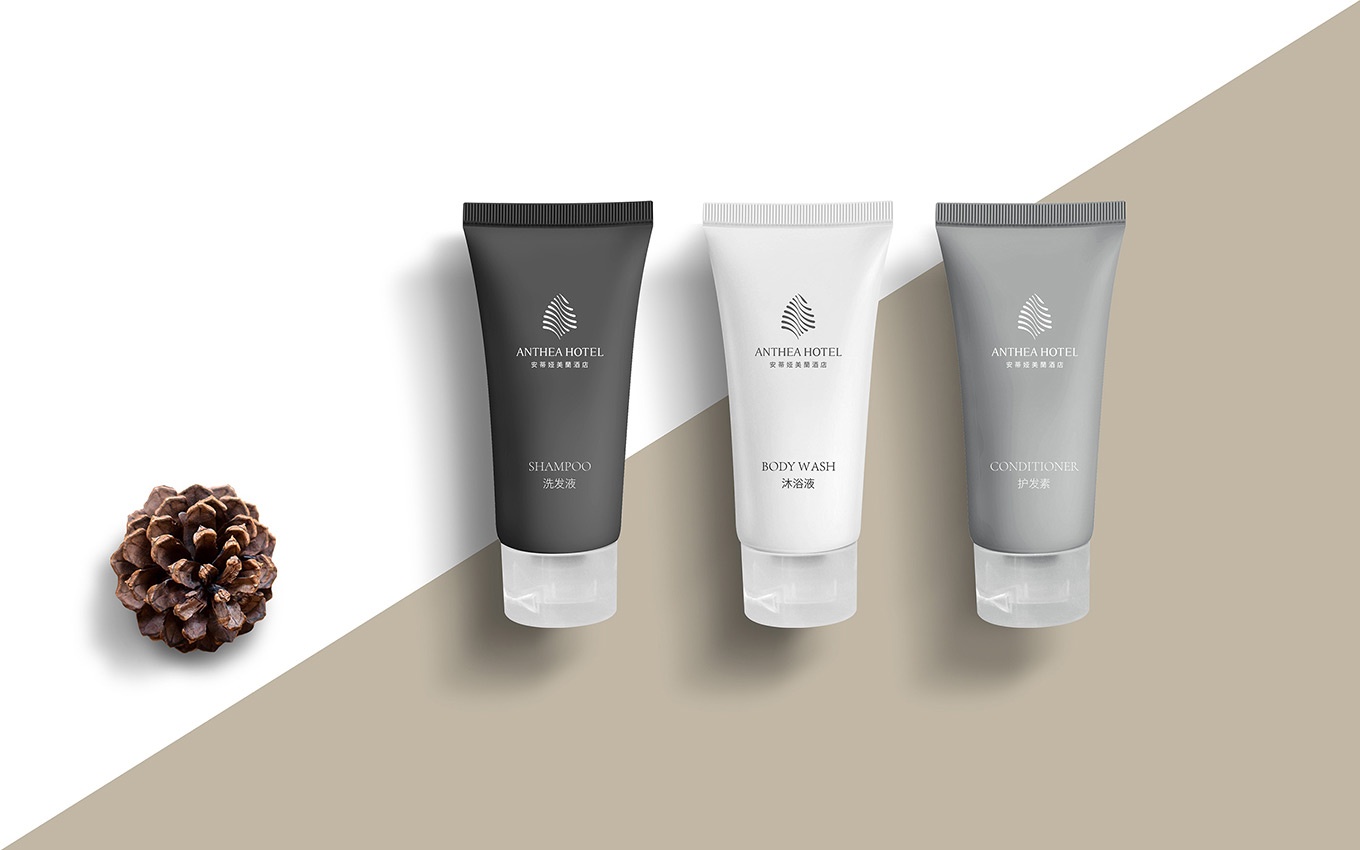 注:配圖為UCI設計公司作品
視頻營銷一直是一種非常有效的推廣業務的方式。自從1941年布洛瓦制作了世界上第一個電視廣告以來,視頻營銷已經成為廣告的主要內容。
事實上,幾十年來,電視廣告一直是最有效的媒體廣告形式。但是,當全國電視節目中典型的30秒廣告的成本超過10萬美元時,電視廣告的所有好處對大多數中小企業來說都是遙不可及的。
互聯網改變了這一切。
如今,人們消費大量的在線視頻內容。雖然過去幾年電視參與度一直在下降,但油管(國外視頻網站)的收視率卻在飆升。每天,全世界觀看10億小時的油管(國外視頻網站)視頻。這相當于100,000年……超過了人類歷史的總和——在一天之內!
除了YouTube,人們還在臉書、Instagram、Vimeo和威斯特亞上觀看無數小時的視頻內容。無論是化妝教程還是即將上映的大片的預告片,人們現在都通過視頻與世界和企業進行在線交流。
好消息是,現在視頻內容不再是好萊塢和網絡廣播電臺的專屬領域,任何人都可以將視頻營銷的力量用于他們的業務。你不必為超級碗的一個400萬美元的位置付費——你可以為每次觀看支付幾分錢而獲得很好的結果。
為了讓事情變得更好,制作視頻廣告從未如此簡單或實惠,這意味著您可以使用您可能正在使用的智能手機來閱讀本文。讓我們開始吧!
1)決定你想制作什么樣的視頻
每個好的視頻營銷活動都是從一個目的開始的。你將投入大量時間和精力來創造引人注目的視聽體驗,并投入大量資金在網上推廣,你希望人們在看到你的視頻后做些什么?
以下是幾個可能的選項:
購買
下載一些東西
聯系你
記住你的生意
將你的工作和積極的感覺聯系起來
與他人分享您的視頻
你所尋求的回應將對你選擇創作的視頻類型產生巨大的影響。
例如,Geico和福特在他們的電視廣告中使用非常不同的方法,因為他們的目標非常不同Geico。希望你打電話報名參加保險,所以他們的廣告通常側重于通過政府雇員保險公司購買保險有多容易,還能省錢:
https://www.youtube.com/watch?v=Gl3l6Bq6bMo
另一方面,福特想讓你買一輛車,所以他們制作廣告,重點宣傳他們的汽車的特點和擁有福特車的體驗。
https://www.youtube.com/watch?v=_ewQOrqNQGY
雖然這兩個廣告對他們各自的公司都很有效,但政府雇員保險公司廣告背后的概念對福特來說并不適用(反之亦然),因為廣告的目標對福特來說根本就是錯誤的。
好消息是,一旦你知道你希望人們看完你的廣告后做什么,通常就很容易決定你需要投放什么類型的廣告。這里有幾種不同類型的視頻廣告可以考慮:
1)產品演示視頻
讓別人相信你的產品能解決他們生活中的一個問題的最好方法就是向他們展示它是如何工作的。這就是電視購物如此有效的原因,因為它們在視覺上強調了產品是如何被使用的。
產品演示對于物理產品和軟件來說非常有用,這是因為它們的性質。上面展示的魚叉槍的宣傳視頻確實很好地展示了使用它會讓你的生活變得更加輕松。
2)消費者評價或評論視頻
在這類視頻中,你的工作就是讓你的消費者替你說話。你所要做的就是簡單地介紹這個話題,讓他們說,然后在最后號召行動,你就成功了。
這類視頻表現非常好,因為它直接展示了人們對你的產品或服務的體驗。很少有其他方式來展示這種"真實可信"的消費者體驗。
例如,看看這個由生命鎖發布的視頻評論:
在拍攝評價視頻時,你需要用要點格式概述你希望他們講述的故事,然后問他們一些問題,促使他們用概述的敘述來回答。如果你不經常,你會在沒有任何指導的情況下拍攝幾個小時,希望消費者會給你一個你可以使用的襯墊。
當你得到評價時,你需要記住的另一件事是,大多數人以前都沒有上過鏡頭。非演員在鏡頭前會緊張,緊張的發言人不會喚起觀眾的信心。花時間學習如何采訪非演員。
3)教育或教學視頻
找到你的目標市場正在經歷的問題,并告訴他們你的特殊解決方案。在大綱中這樣做,或者用突出卷軸的方式。它應該增加觀眾體驗的價值,而不放棄你的內容中的一切。以我們的博客總結視頻為例,或者這個關于爆頭攝影課程的精彩視頻。
知道你會讓你的觀眾想要更多的最好方法是遵循迷你裙規則:你的視頻應該足夠短以抓住他們的注意力,但也要足夠長以覆蓋主題。
無論是專家訪談、講解視頻、操作視頻還是其他教學內容,教育視頻都是提供價值的好方法,而不會顯得過于注重銷售。這是利用視頻營銷與潛在客戶建立積極關系的好方法。
4)幕后視頻
如果你有一個優質的產品或者你已經存在的內容有一個大的粉絲群,BTS(幕后)視頻是非常有效的。它讓普通消費者更加欣賞你所做的一切。
防彈少年團視頻之所以做得這么好,是因為它的視覺故事取代了蹩腳的短語"這是高質量的。"聽到這句話,每個人都持懷疑態度。然而,如果人們看到了制造你的產品的詳細過程,他們很難不發表自己的意見。
當你在制作防彈少年團宣傳視頻時,嘗試拼湊一個故事是很重要的。它應該圍繞為什么你的產品是這樣做的,并展示為什么它會變得更好的細節。
根據你的營銷對象和你的商業目標,我們在這里討論的一種或多種類型的視頻可能值得一試。訣竅是弄清楚你的潛在客戶最感興趣的是什么,以及你如何利用這一點讓人們做你想讓他們做的事情。
2)確定你的目標受眾
要創建一個有效的視頻營銷活動,你需要了解你的視頻是針對誰的。與某些類型的在線廣告不同,視頻廣告通常面向相當大的人群,但知道你的廣告具體面向誰仍然很重要。
不幸的是,許多廣告商說,"我想要一個能吸引我的目標市場中所有人的廣告。"那可能是真的,但是你的廣告需要有選擇性。針對所有人是懶惰和浪費金錢。
制作五個針對不同人群的廣告要好得多——即使它們都在為同一種產品做廣告。這樣你會得到更多的轉化。所以保持簡單,就像這個廣告。
每個人都可以吃麥片,那么如果每個人都可以吃,為什么這個廣告要針對爸爸們呢?因為,在大多數家庭中,爸爸是養家糊口的人(從字面上看)。即使其他人去購物,父親也會在購物清單上輸入他的信息。
此外,瞄準父親的一個好理由是,當父親聽到屏幕上重復出現"父親"這個詞時,他們的耳朵會豎起來。當他們看到兒童玩具的廣告時,他們可能不那么興奮了。
具體的目標就像在你的市場面前揮舞一面巨大的旗幟,并大喊"看這個!"你的信息和目標市場越具體,你的轉化率就越高,這也是我們所追求的。
2)寫出你的視頻營銷廣告
既然你知道你的視頻的目標是什么,你的目標是誰,現在是時候把你的視頻廣告的腳本放在一起了。你的劇本將是你視頻廣告的核心和靈魂,所以花時間認真思考你的劇本是值得的。
讓我們來看看一個優秀的視頻廣告腳本需要具備哪些要素。
偉大的劇本講述了一個故事
好的廣告講述一個故事。對任何廣告來說都是如此,但對視頻營銷來說尤其重要,因為故事是促使觀眾觀看更多的東西。他們想看看整個冒險是如何展開的。
以這個視頻為例。
當你看著這個關于泥土魔鬼的廣告時,你真的感到緊張。這房子里有個惡魔,它不會消失的。如果他們叫一個水管工來把他們的女兒從天花板上弄下來,這個恐怖故事就不會做得這么好。就沒有需要打破的緊張。
當你開始寫劇本的時候,試著想出一些有趣的角色和一個人們可以投入進去的場景。做一些與你心中的世界相關的事情,讓它變得令人難忘。結合不該結合的世界,做意想不到的事,或者,見鬼,就給我們講個愛情故事。
即使你做的是電視廣告類型的廣告,有一個發言人對著鏡頭說話,你仍然可以講一個故事。為你公司的產品找一個好的比喻,然后設計一個與這個比喻相符的廣告,或者與這個比喻完全相反。
以蹲廁廣告為例。談論便便是虛假的和平。然而,蹲便器顛覆了這個觀點,用獨角獸的糞便來說明使用蹲便器的好處。
在這兩種情況下,視頻廣告都講述了一個故事。它創造出你想更多了解的角色,然后以一種滑稽的情景喜劇的方式一點一點地展現他們。
偉大的劇本表達了一個核心事實
許多廣告客戶太專注于做一個"有趣"的補充,以至于他們制作的廣告沒有一個目標受眾可以認同的核心事實。這也是許多彩虹糖廣告如此怪異的部分原因。他們完全拋棄了任何或所有的普遍真理。
這個廣告是錯誤的。大多數人對吃從青春期男孩臉上摘下的彩虹糖不感興趣。如果你的形象與目標市場的理想不一致,他們就不會增加購買你產品的欲望。
一個令人信服的普遍真理可能是一個病毒式的視頻和一個表現良好的視頻之間的區別。
例如,如果你有一個廣告暗示你要給你的孩子買一個蘋果平板電腦來讓他們閉嘴,那么它的銷量不會比建議你給你的孩子買一個蘋果平板電腦的廣告多,因為他們應該得到最好的。第一個引發對孩子的怨恨,第二個引發愛。
確定你的普遍真理很重要,因為互聯網是殘酷的。如果你試圖用來表明你理解目標市場感受的事實是錯誤的,互聯網會讓你立即知道。他們不會善罷甘休的。花時間確保你了解你的目標市場,然后再試圖確定他們的最佳點。
偉大的劇本讓人有所感悟
視頻營銷非常有效,因為它是一種多媒體體驗。你有移動的圖像、聲音、文字和音樂——所有這些都能很好地喚起你的目標觀眾的情感。無論你是讓他們笑,哭,還是介于兩者之間,一個好的視頻廣告都會讓人有所感觸。
如果你能喚起你的觀眾的情感,你就能抓住他們的注意力,增加他們記住你的業務并真正做你想讓他們做的事情的可能性。
以這則廣告為例:
宜家這則悲傷的燈具廣告很好地講述了一個過時且正在被替換的燈具的故事。你為坐在雨中的燈感到難過,像一只尋找新主人的迷路的小狗一樣被遺棄。
你沒有意識到的是,整個宜家廣告旨在幫助你改變對自己家具的情感。它讓你體驗你自己的依戀感,然后用幽默的邏輯超越那些感覺。現在,你可以更新自己的家具,而不必為此感到難過。
在你的視頻營銷中,幽默是一個簡單的選擇,但是你也可以使用悲傷、恐懼和不適來使你的廣告令人難忘和分享。你可以使用任何你想要的情感,但是要確保這種情感適合你的品牌。
一般來說,當你寫廣告時,一個好的指導方針是思考有或沒有你的產品生活會是什么樣子,然后探索那個世界。隨著你的探索,情緒會變得清晰。如果你不確定自己能否制作出帶有具體情感的廣告,請聘請專業人士。
偉大的劇本讓人們去做一些事情
有沒有看過一個視頻廣告,然后想,"酷,但是現在呢?"你可以花100,000美元制作一個獲得數百萬點擊率的病毒式廣告,但是如果你的觀眾在你的廣告結束時不知道該做什么,你就付出了昂貴的代價來迷惑所有的觀眾。簡潔明了,確保你的行動號召在廣告的最后,這樣觀眾會記得該怎么做。
你希望你的觀眾在看完你的廣告后,明確地知道他們應該做什么,以及如何去做。
這就像說"現在就在某某網站上購買你的產品"一樣簡單至少,你應該讓觀眾知道分享廣告的品牌是什么。這樣,即使你的受眾目前不在你的產品或服務的市場上,當他們在的時候,他們會首先記住你的業務。
這個廣告在傳遞故事、激發情感和娛樂觀眾方面做得很好。它并不真的需要說"購買大眾汽車",因為僅僅是品牌提醒本身就足夠了。他們的行動呼吁是長期的。它需要持續5-10年,直到觀眾下一次買車。
偉大的腳本從一個鉤子開始
說到視頻營銷,你沒有多少時間來抓住你的觀眾的注意力YouTube。給你5秒鐘的時間在社交媒體上工作,你通常甚至沒有時間去"吸引"你的觀眾。
因此,一個好的劇本需要從吸引人們的注意力開始,讓他們思考你的產品或服務BlendTech的"它會融合嗎?"就是一個驚人的例子廣告活動。
肆意破壞財產是人們喜歡看的。看著你永遠也不會想到的普通物品在攪拌機里被撕碎是一件非常有趣的事情。當物品變得太貴,以至于你從來沒有考慮過親自混合時,賭注就更大了,比如蘋果手機。
"它會融合嗎?"這有什么奇怪的嗎?運動是有史以來最成功的在線病毒式視頻廣告活動之一?
有一個好的鉤子幾乎是成功的一半。如果人們沒有從一開始就被抓住,他們將無法看到你其余的內容,即使它真的很好。
你到底選擇如何組織你的劇本取決于你的觀眾和你的目標,但是一個好的劇本應該包括我們在這一部分討論過的幾個要素。你的劇本會成就或毀掉你的視頻,所以確保你花時間想出一個好的。
3)創建故事板和鏡頭列表
不幸的是,盡管你的劇本很重要,但你不能根據劇本拍電影。為了把你的設想變成一個真實的視頻廣告,你需要弄清楚你希望你的劇本如何被拍攝。為此,你需要把兩件事情放在一起:一個故事板和一個鏡頭列表。
故事板
你的劇本很重要,但只是文字。你要拍一部電影,所以想一想你希望你的劇本在鏡頭前是什么樣子是個好主意。在電影中,這種腳本可視化被稱為"故事板"。
故事板是一個重要的步驟,因為它讓你可以仔細檢查你的鏡頭列表,并確保你在廣告中考慮了你想要的每一個鏡頭。
畫得很好的故事板對你的攝影師非常有用,因為它們顯示了特定鏡頭中將要發生的動作,就像這樣:
如果你沒有任何藝術才能和/或找不到任何有藝術才能的人,這樣的拍攝列表也很好:
把你的鏡頭列表寫在便利貼上會讓你根據劇本把你的故事板放在一起,然后移動場景。這可以幫助您決定是否需要添加或刪除鏡頭或調整腳本元素。無論哪種方式,故事板將幫助你在實際拍攝之前完全想象你在做什么。
拍攝列表
此時,你可能會想,"好的,我已經有了一個令我滿意的劇本和故事板,我可以開始拍攝了,對嗎?"
嗯……不完全是。當談到制作視頻廣告時,你花在準備上的時間越多,你的拍攝就會越順利,之后編輯你的鏡頭也就越容易。
所以,在你開始拍攝你預想的精彩視頻廣告之前,你需要整理一份拍攝清單。當然,如果你是電影制作的新手,你可能會想,"鏡頭列表到底是什么?"
當你在拍攝時,這就是一切。
基本上,拍攝清單是你完成拍攝所需的所有東西的清單,從你將要拍攝的順序到你可能有的任何筆記。
它可能看起來像這樣:
以下是你需要在拍攝清單上列出的基本事項。
場景和鏡頭編號—顯示視頻的順序。
位置——讓你知道你將在哪里拍攝。
鏡頭描述——講述攝像機上將要發生的事情。
取景——幫助你知道相機需要什么樣的鏡頭。
動作(行動)說明快照描述中未顯示的任何所需動作。
對話—提供腳本中鏡頭開始和結束位置的提示
演員——告訴你拍攝時需要哪些演員。
道具——給你一份拍攝時可能需要的物品清單。
注釋——給你空間添加任何你想成為照片一部分的重要內容(無論你想讓它特別戲劇化、古怪、黑暗,無論什么)。
為了節省空間,你可以去掉一些東西——比如說,你只有一個演員——如果它們很重要,你可以添加一些(比如,你需要為某些鏡頭使用特殊的燈光,而不是其他的)。盡管如此,大部分內容都可以添加到筆記中。真的要看你怎么喜歡了。
為什么拍攝列表很重要?嗯,沒有它,后期制作(剪輯之類的)會很恐怖。
場景編號和鏡頭編號有助于你的編輯知道你的鏡頭應該按什么順序拍攝,這樣你錄制的東西才能最終與劇本相匹配。這一點很重要,因為幾乎沒有視頻是按照腳本中的順序拍攝的。
4)創建拍攝時間表
你猜怎么著?你還沒有準備好拍攝…現在你有了拍攝清單,你可以開始制定你的電影時間表了。
除非你的劇本非常大音階第七音
mple (ie, it’s just you talking to a camera on a tripod), you’re going to have a lot of things and people to coordinate. For that, you’ll need a solid filming schedule. Here are a few things to consider as you put together your schedule. 1. Account for FatigueYour crew will have the most energy in the beginning to the middle of the film day. After lunch you are fighting the ticking clock of wear and tear on energy and mental stability.
If you have shots that are going to take more patience out of the crew make sure to plan them in the first half of the day. Your crew will fight against you the later the day goes. The worst thing they can say to you is “we’ll fix it in post” (aka, “we can fix it during the editing process, right?”).
2. Get it Right on Set“We’ll fix it in post” is the worst sentence you hear on set. At the time, tweaking things in the editing room sounds easy, but in real life, you generally end up wishing that you had just done one more take slightly differently. Typically, it takes at least four times as much time in post to fix the mistake than would have to just film it another time or two and get it right.
With that in mind, make sure that you have tested out any type of shot that you think you are going to need special effects on. If you are doing a screen replacement, make sure that you do a test shot and try editing it before the shoot. You’ll usually find out that there is something practical that you can do on set that will make editing way easier.
As an added plus, figuring out your tricky shots in advance will also give you a better idea of how much time they will take to film. Sometimes, one particularly difficult shot can take hours and that’s something you can’t afford to discover on set.
3. Don’t Be Afraid to Film Out of OrderActors are odd ducks. They would rather work really hard for one extended burst rather than being called back and forth onto and off of set. It keeps their acting momentum and it keeps up their spirits. A happy crew and actor means a happy director.
To account for this, make sure that you try and group each actor’s scenes together as much as possible. This may mean that you film your script out of order, but that’s okay! Most films are filmed out of order because it saves the production team money. If you film all of one actor’s scenes on one day then you only have to pay them one day rate.
4. Think Through Your LocationsScheduling filming around locations will save you time and money. If you’re clever about picking the right location, sometimes you can give the impression of multiple locations without having to pack up all your filming equipment and head to a new spot.
Being thoughtful about where and when scenes need to be filmed is important because travel between locations takes time. Be generous with that travel time too, because someone always gets lost, has car trouble, or forgot a piece of equipment back at the last location.
If you are filming different shots in different parts of the same location, it will save you more time if you are filming in a house to go from one room to the next closest room if the script allows for it. The further you have to walk with all your gear from one shot to the next, the longer your shoot takes. Treat your schedule in a single locale like a tour of the facility. Try and make one seamless path that back tracks on itself as little as possible.
5. Time of Day MattersSunlight only lasts so long and inconsistent lighting in your shots makes for consistent headaches in editing (and can often result in a low quality finished product). Make sure your lighting between scenes is consistent to the script that you have.
So, while you’re planning your shoot, take the time to Google when sunrise and sunset is before you set your schedule down on paper.
If changing sunlight is going to be an issue for your shoot, you can control your lighting by using blackout curtains and lighting equipment. If you hire a good gaffer, he’ll handle the whole thing for you. Just make sure that he has all of the equipment that he requests.
6. Make Time for MakeupMakeup can take 10 minutes or 7 hours. Even when you aren’t trying to turn an actor into the Grinch, make sure that your call times give your actors at least 30-60 minutes of leeway for before they are needed on set. There’s nothing worse than having to delay your shoot because makeup is taking too long to apply.
In general, treat makeup like a location. Take a tour with your makeup needs from scene-to-scene from the least complicated to the most complicated.
7. Put the Riskiest Shots at the EndStunts (or even hazardous shots) complicate any shoot. With that in mind, it’s important to get the right stunt coordinator first so that you can be aware of the safety requirements for each stunt. Then, if you have more than one stunt plan them in order accordingly (just like locations and make up) from the least intensive to the most. Stunts are dangerous, so it’s important that you get the main content for your ad first.
If your actor gets injured to the point that he can’t act anymore then, there goes your entire day if you filmed the riskiest stunts first. It’s easier to schedule a couple hours of pick up shots than an entire day to reshoot the whole commercial if an actor ends up out of commission due to a failed stunt.
8. Find the Right CrewThe size of your crew affects to how fast you can move on set. Big crews move slower between shots. Small crews move faster but may not have enough manpower to do everything that they need to. Make sure that the size of your crew is equal to the task at hand.
If you ever anticipate having to do two jobs on set at the exact same time, then you need more people. Make sure that your crew members know their stuff, though. The better someone knows their craft, the faster they are and the better quality they will produce.
9. Keep an Eye on the WeatherWeather is a beast. You can make tentative plans to film out a month in advance, but unless you know that everything will be indoors you are still gambling with your schedule. You can start looking up the weather for a location on Google up to two weeks in advance.
If the weather is vital to your shoot, then plan out multiple possible shoot dates and go with the one that best fits the weather. Plan them anywhere from a couple of days to a week apart. Just make sure the last day that you could possibly shoot will still give you enough time in post to deliver the video ad on time. Plan on shooting on the first date possible and then move back in order according to how soon the weather lets up.
Once you’ve created a filming schedule that covers all of your bases, you’re just about ready to film! All you need is the right filming equipment.
5) Pick Your Filming EquipmentGreat video ads need a great ad idea and great video equipment—if you don’t have the right gear, your ad isn’t going to deliver the value you’re hoping for. Since identifying the right equipment can be a challenge (especially if you don’t have prior experience with film), let me walk you through a few good options to consider
For this article, I’m going to assume that your budget is pretty limited. Don’t worry, you can still make a decent video ad on a budget, it just takes a little more blood, sweat, and tears. Cheaper equipment will require a lot more out of you, but not your wallet.
CameraIf you’re looking at doing things for the cheapest price possible, I would recommend using an iPhone 7 Plus. I recommend the 7 Plus because it has different camera aperture sizes, one smaller and one larger, which will enable you to get more variety into your shots (think wide shots as opposed to close-ups).
The iPhone 7+ (right) has two camera apertures, while the iPhone 7 (left) has only one aperture size.
This video should give you a good idea of what those differences look like (and look to about 38 seconds to 45 seconds for a good close-up to wide shot).
No matter what you’re filming, you’ll want at least a wide and close-up lens option from your camera like the ones included on the iPhone 7 Plus. Don’t just zoom in on your camera please, you probably won’t like the quality of shot you get from it.
That being said, there are external lenses you can buy and attach to your phone to give you different lens options, but I’ve heard it on good authority that those are all pretty much junk. Don’t waste your money on them.
If you already have a phone with a good camera on it, great. Get the right app for it so you can manually adjust your settings, because just filming on your auto settings won’t look anywhere near as good. I would recommend Filmic Pro. It’s only $10 bucks and give you some pretty great control of your camera settings.
AudioNext up, you’ll want to make sure you can get some good audio. You can use either a lavalier mic from Rode ($70+an app) to record from your phone (if budgets are super tight) or you can get a Tascam DR-40 digital recorder for under $150. Remember, what you need will depend on the kind of video you’re doing.
Rode Smartlav Mic
If you will be doing a talking head” sort of video, the Rode mic will work great, but if you want to film other kinds of commercials, you’ll probably want the Tascam. You can put it at the end of a pole and get it close and use it almost like a boom mic, which will give you more versatility with your audio.
LightingLastly, you will definitely want to invest in some decent lighting equipment. At a minimum, I would suggest a softbox lighting set like this one that will let you do some three point lighting. It’s about $120 and it should get the job done in most cases.
Softbox Lighting Set
This video has some basic lighting tips, and will show you at the most basic level what bad lighting or good lighting looks like.
https://www.youtube.com/watch?v=QSWxkaRN4RY
How your subjects are lit will be a huge determiner of the end quality of your video, whether you’re filming people or objects.
Remember, you’ll need a way to get power to all of these lights, so you might want to get a cheap power strip and maybe some extension cords to make sure they always have power.
ExtrasAs far as camera, audio and lighting goes, this is about as basic as it gets. However, you’ll probably want some equipment to stabilize your shots like a tripod (which will definitely make your life easier, just find one with a phone attachment) and maybe a 3-axis gimbal ($300) if you’re wanting nice, smooth looking shots (think of it as a tripod you can move around).
DJI Phone Gimbal OSMO
In addition, one thing people often forget is that you need somewhere to store your footage. High-quality video footage takes up a ton of space, so you’ll want an external storage drive to keep all of your video footage. For video storage the MyPassport 1TB external hard drive. That should hold you over if you aren’t planning on doing a lot of filming, and it’s only about $60.
Other than that, factor in the price for memory cards, extra batteries (or external batteries) and you’ll be looking at near $1,000 if you already have the camera phone you want.
All of this equipment will help give you a decent quality of video on a pretty low budget. If you want better equipment and have some extra cash around, check out this article for additional recommendations based on your budget.
6) Film Your AdIf you’ve taken the time to think through everything you’ll need on filming day and create a great script, storyboard/shot list and filming schedule, actually filming your video ad should be the easiest part of the whole process!
Now, don’t get too excited, filming will be a long, arduous process with lots of takes and retakes, adjusting equipment and putting out fires (hopefully not literally), but we’ve already covered most of what you can expect in our planning steps. If you have the right people on your crew, actually executing on your plan should be fairly straightforward, so we’ll move on to the editing process.
7) Editing Your AdOnce you actually have your footage, it’s time to head to the editing room and cut your video ad together.
There are a variety of free video editing programs you can use to edit your footage, but I personally prefer the power and usability of a program like Adobe Premiere Pro or DaVinci Resolve. These programs take a little more effort to learn, but they deliver a much more professional result.
As you edit your footage, you’ll want to make sure that the color grading between your shots is consistent. To help you with that, here is a great tutorial on color grading in Premiere Pro:
Most video editing software will come with a variety of color grading presets, so if you’re not particularly artistic, you can always use those presets to ensure that your footage looks consistent (and consistently great). It’s not quite as good as grading it yourself, but it will do the trick.
However, the biggest problem most people who are creating their first video marketing campaign struggle with is actually editing their content to create a compelling commercial. With that in mind, let’s take a look at 3 critical areas you need to pay attention to while editing your video ads.
1. Dialogue Speed MattersWhen it comes to video marketing, audiences get bored if there is not enough happening on screen. Most of the time, you either need something really interesting taking place on screen or the dialogue of the actors needs to be compelling. You typically only have around 30 seconds to get your message across (at best!), so don’t waste it.
Quick cuts between lines of dialogue can help get the same amount of content out in a faster time. For example, if you are creating a video ad where two people are talking, you can start the audio for the second person while the video of the first speaker is still ending. That way, people are already engaging with the second person on screen before they even see their face.
Quick cuts allow you to cut out shots of the second person reacting to the first person’s speech while leaving in the first person’s reaction to the second person’s beginnings. It feels unnatural at first, but go watch any television show and you’ll see that they use this trick all the time. TV shows have to keep the momentum going because they only have 22-45 minutes of airtime.
Let’s be real though, you can only work with what you are given. If your actor is talking way too slow while you are shooting the commercial, you may not have the right material in post to work with. So, keep the momentum of the final piece in mind when you are filming in the first place.
2. The First 5 Seconds of Your Ad Matter MostRemember that “hook” you worked so hard to script out? In video ads, you usually have about 5 seconds to hook your audience and make them want to watch the rest of your video. This is especially true on YouTube with skippable ads, where YouTube literally helps your audience count down the seconds to when they can turn off your ad.
You’ll notice that movie commercials and YouTube Vloggers have been starting to use a tactic in order to get you to watch their whole video. They’ll put a small preview of all of the action or the biggest part of the controversy at the very beginning to entice you to watch the whole thing. I call this baiting.
Here’s an example of baiting.
Baiting is super effective because audiences want to put what they’ve already seen into context. They think they’ve seen something potentially amazing and want to see if their assumptions are actually true.
Baiting your audience generally works best when you have a video ad around a minute or longer that you are afraid that people won’t want to watch if they just watch it from the beginning. Just make sure that you have the content to back up your bait, otherwise your audience will be feel tricked.
3) Get to the Punch LineThere’s a little thing that happens when you are the one the wrote or directed a video. You ego gets huge and you think that all of your ideas are great. You feel that all of your concepts are a must for the final cut. This happens to everyone.
However, sometimes an idea just doesn’t pan out in the editing room. Maybe it’s not as funny as you thought it would. Maybe the delivery was poor. Maybe you didn’t get a good angle during filming.
Whatever the reason, sometimes you just need to cut something.
Cutting a piece down can be a process, so ask yourself “can I get to the punch line by cutting out material and have it give the same message?” If you can, there’s no reason why you shouldn’t. People respond to well crafted messages that get right to the point.
Remember, you are editing an ad not an epic feature. Cutting things down to the bare bones will often streamline the humor or message. Yes, you might have to give up on some of your favorite ideas in order to get the job done, but it’s always a good idea to get rid of dead weight in your ads.
4) Choose the Right MusicFinally, once you’ve cut your footage together and color graded everything, you’ll want to find some good music. Video marketing is a multimedia experience, after all, so the right music can have a huge impact on your ad performance (especially on YouTube).
Fortunately, there are countless sites where you can buy royalty-free music to use in your ads like AudioJungle or PremiumBeat. It may take some searching to find just the right music, but it’s well worth the effort.
ConclusionAnd that’s it! You’ve just created your first video marketing ad. Now all you have to do is upload it to YouTube or Facebook and start running your new campaign. We won’t get into that here, but if you’d like an in-depth guide to YouTube advertising, check out this article.
By the way, if you’re feeling a little out of your depth and would like some help with scripting, filming, editing or any other part of the video marketing process, let me know here or in the comments. I’d love to help!
What are your thoughts on video marketing? How do you think video marketing will affect the future of online advertising? Do you have any helpful video marketing tips to share? Leave your thoughts in the comments!
Aden AndrusAuthor
Over his career, Aden has developed and marketed millions of dollars of successful products. He lays awake at nights figuring out new marketing tactics and is constantly upping Disruptive's internal marketing game. He loves to write, dance and destroy computer monitors in full medieval armor.
 注:配圖為UCI設計公司作品
通過天津logo設計公司的精彩分享,設計師更輕松快捷地掌握天津logo設計公司分享的營銷與設計知識,幫助北京vi設計公司更好地服務好客戶 。


總監微信咨詢 舒先生

業務咨詢 舒先生

業務咨詢 付小姐