


此文是烏魯木齊品牌策劃公司關(guān)于設(shè)計(jì)公司如果推廣和營(yíng)銷企業(yè)的分享,烏魯木齊品牌策劃公司旨在想讓更多的設(shè)計(jì)公司提高設(shè)計(jì)業(yè)務(wù)能力!
 注:配圖為UCI設(shè)計(jì)公司作品
無(wú)論你是剛剛推出你的第一個(gè)電子商務(wù)業(yè)務(wù),還是多年來(lái)一直在網(wǎng)上銷售產(chǎn)品,你都可能聽(tīng)說(shuō)過(guò)購(gòu)物化.
自2004年推出以來(lái),Shopify已經(jīng)從一家在線滑雪裝備商店發(fā)展成為世界上最大的店面管理平臺(tái)。
如今,已有超過(guò)60萬(wàn)商家使用購(gòu)物化來(lái)運(yùn)營(yíng)他們的在線商店,這是有充分理由的:Shopify是一個(gè)非常棒的電子商務(wù)平臺(tái)。
然而,在本文中,我們不會(huì)試圖說(shuō)服你使用Shopify,或者談?wù)撃銥槭裁磻?yīng)該或不應(yīng)該選擇購(gòu)物化而不是另一個(gè)電子商務(wù)平臺(tái)。相反,我們將討論什么是Shopify,使用購(gòu)物化時(shí)需要記住什么,以及如何使用購(gòu)物化建立、管理和優(yōu)化盈利的電子商務(wù)商店。
就本文而言,我將假設(shè)你已經(jīng)知道你想賣什么,并且已經(jīng)弄清楚了你的供應(yīng)鏈和你的后端技術(shù)細(xì)節(jié)(如果沒(méi)有,查看這篇博客文章以獲得幫助)。在這里,我們將重點(diǎn)關(guān)注如何讓您的購(gòu)物化商店運(yùn)營(yíng)并盈利。
聽(tīng)起來(lái)像個(gè)計(jì)劃嗎?我們開(kāi)始吧!
什么是Shopify?
首先,在我們深入了解建立和運(yùn)營(yíng)購(gòu)物化商店的細(xì)節(jié)之前,讓我們暫停一下,討論一下什么是Shopify,您可以從購(gòu)物化中獲得什么,以及該平臺(tái)的一些優(yōu)勢(shì)和劣勢(shì)。
shopi是一個(gè)基于云的電子商務(wù)商店平臺(tái),大品牌和新企業(yè)家都用它來(lái)創(chuàng)建在線商店。
正如你可能想象的那樣,有了這樣的用戶基礎(chǔ),Shopify的適應(yīng)性非常強(qiáng)。您可以在幾分鐘內(nèi)建立一個(gè)快速購(gòu)物化商店,或者使用該平臺(tái)建立一個(gè)高度定制的、多國(guó)、多語(yǔ)言的平臺(tái)企業(yè)電子商務(wù)運(yùn)營(yíng)。
為了滿足這些不同的需求,Shopify提供了從每月29美元到每月299美元的三種訂購(gòu)級(jí)別:
這些層級(jí)之間的最大區(qū)別是您的商店提供了多少內(nèi)置功能以及信用卡費(fèi)率和運(yùn)費(fèi)折扣,因此"正確"的層級(jí)實(shí)際上取決于您和您的業(yè)務(wù)需求。
購(gòu)物化的優(yōu)勢(shì)
購(gòu)物化有很多讓人喜歡的地方。這是一個(gè)設(shè)計(jì)良好的平臺(tái),有一個(gè)完善的社區(qū)和數(shù)百個(gè)主題和應(yīng)用程序,您可以使用它們?yōu)槟目蛻魟?chuàng)建真正定制的體驗(yàn)。
事實(shí)上,你可能正在閱讀這篇文章,因?yàn)槟阋呀?jīng)在購(gòu)物化上出售了,但這里有幾個(gè)你可能沒(méi)有想到的關(guān)鍵功能:
基于云,因此您可以隨時(shí)隨地訪問(wèn)它,您所需要的只是一個(gè)互聯(lián)網(wǎng)連接。
集成頂級(jí)營(yíng)銷工具。
包括安全的內(nèi)置支付處理系統(tǒng)。
基于液體開(kāi)發(fā)語(yǔ)言,可輕松為平臺(tái)創(chuàng)建定制應(yīng)用和模板。
擁有強(qiáng)大的支持文檔和積極響應(yīng)的用戶社區(qū)。
提供出色的客戶支持。
這些額外的功能使得購(gòu)物化特別容易使用和優(yōu)化,這也是該平臺(tái)如此成功的部分原因。
購(gòu)物化的弱點(diǎn)
不幸的是,沒(méi)有"完美"的電子商務(wù)平臺(tái)Shopify確實(shí)有一些限制,你在建立商店時(shí)應(yīng)該知道。
以下是一些需要記住的事情:
購(gòu)物化很容易使用,但除非你愿意為超高級(jí)的Shopify Plus付費(fèi)(大多數(shù)人不愿意),否則你無(wú)法定制商店的某些區(qū)域,如結(jié)賬頁(yè)面。
所有這些令人興奮的插件通常都有不太令人興奮的月訂閱費(fèi),這會(huì)大大增加你的商店運(yùn)營(yíng)成本。
報(bào)告僅限于最底層的計(jì)劃。
每個(gè)賬戶只能經(jīng)營(yíng)一家店鋪。這可能會(huì)在未來(lái)一兩年內(nèi)有所改變。
搜索引擎優(yōu)化(搜索引擎優(yōu)化)可能有點(diǎn)挑戰(zhàn)性。
銷售可下載或虛擬產(chǎn)品可能會(huì)很困難。
你不能出售藥品、補(bǔ)充劑、賭博相關(guān)產(chǎn)品、大麻、酒精或成人內(nèi)容——盡管這些對(duì)于許多電子商務(wù)平臺(tái)來(lái)說(shuō)是相當(dāng)常見(jiàn)的排除。
一般來(lái)說(shuō),這些弱點(diǎn)都不是真正的障礙,但重要的是要知道在創(chuàng)建購(gòu)物化商店時(shí)需要克服哪些障礙。
總的來(lái)說(shuō),Shopify是一個(gè)非常強(qiáng)大的購(gòu)物平臺(tái),提供了各種各樣的好選擇,你可以用它來(lái)建立一個(gè)高質(zhì)量的盈利性電子商務(wù)企業(yè)。我們開(kāi)始吧!
購(gòu)物化入門
一旦您注冊(cè)了購(gòu)物化并向他們提供了您的基本信息(用戶名/密碼、地址、域名等),Shopify就會(huì)帶您進(jìn)入新的店面管理界面。
這是您執(zhí)行大部分購(gòu)物化管理任務(wù)的地方,所以花幾分鐘熟悉一下界面是個(gè)好主意。
正如你可能想象的那樣,Shopify希望設(shè)置過(guò)程盡可能簡(jiǎn)單直接,所以你的主頁(yè)會(huì)立即給你添加產(chǎn)品的選項(xiàng)。繼續(xù)點(diǎn)擊"添加產(chǎn)品",讓我們看看您的選項(xiàng)。
向您的購(gòu)物化商店添加產(chǎn)品
當(dāng)您將商品添加到您的購(gòu)物化商店時(shí),Shopify會(huì)提供各種字段供您填寫。
這些領(lǐng)域中的大多數(shù)都是相當(dāng)簡(jiǎn)單的產(chǎn)品組織或運(yùn)輸領(lǐng)域。您應(yīng)該能夠使用產(chǎn)品目錄中的信息來(lái)完成這些字段。
然而,正確的標(biāo)題、描述和圖片會(huì)對(duì)你的店鋪的成敗產(chǎn)生巨大的影響。工作之余,我創(chuàng)作和收集服飾,那么我們就用一雙保羅德龍(中世紀(jì)肩甲)來(lái)討論如何有效地完成這些領(lǐng)域。
標(biāo)題描述
您的標(biāo)題和描述字段包含文本,告訴您的潛在客戶您的產(chǎn)品是什么,它是如何制造的,它是什么和其他重要信息。
除了告訴你的客戶關(guān)于你的產(chǎn)品,你的標(biāo)題和描述也是谷歌用來(lái)決定你的產(chǎn)品可以出現(xiàn)在哪些有機(jī)搜索中的。
值得注意的是,這些有機(jī)搜索結(jié)果的位置不同于付費(fèi)搜索文本廣告或谷歌購(gòu)物廣告。
如果你的產(chǎn)品頁(yè)面在特定的搜索中排名靠前,你可以免費(fèi)點(diǎn)擊你的頁(yè)面。然而,不能保證你的產(chǎn)品頁(yè)面會(huì)被有機(jī)地排列——即使你的產(chǎn)品和某人的搜索完全匹配。
你可以通過(guò)優(yōu)化你的標(biāo)題和描述來(lái)提高你的產(chǎn)品頁(yè)面出現(xiàn)在相關(guān)搜索中的可能性(這被稱為"搜索引擎優(yōu)化"或“SEO”),但即使是優(yōu)化得最好的頁(yè)面也可能難以排名——尤其是你的目標(biāo)關(guān)鍵詞有很多競(jìng)爭(zhēng)。
要調(diào)整您的標(biāo)題、元描述和統(tǒng)一資源定位器在谷歌上的顯示方式,請(qǐng)展開(kāi)"添加產(chǎn)品"頁(yè)面底部的"搜索引擎列表預(yù)覽":
使用谷歌購(gòu)物廣告和文字廣告,你必須為每次點(diǎn)擊付費(fèi)。然而,如果你愿意花足夠的錢,你可以保證你的產(chǎn)品頁(yè)面會(huì)出現(xiàn)在相關(guān)的搜索中。
關(guān)于什么是"好的"產(chǎn)品標(biāo)題和描述,有很多爭(zhēng)論。但是,大多數(shù)專家同意,你的產(chǎn)品頁(yè)面內(nèi)容應(yīng)該迎合你的客戶。
所以,如果你要向那些關(guān)心產(chǎn)品細(xì)節(jié)和功能的觀眾推銷一種昂貴的產(chǎn)品,你的描述應(yīng)該涵蓋所有的細(xì)節(jié)。
另一方面,如果你賣的是廉價(jià)的普通商品,你可能希望你的描述簡(jiǎn)短而甜蜜,以避免壓倒性的潛在客戶。
形象
在網(wǎng)上購(gòu)物中,圖像質(zhì)量非常重要!由于人們實(shí)際上不能親自檢查你的產(chǎn)品,他們被迫依靠你的圖像來(lái)做決定。
所以,如果你沒(méi)有好的圖片,你可能也不會(huì)有好的銷售。
圖像優(yōu)化
理想情況下,最好是從各種角度拍攝高質(zhì)量、清晰的圖像。此外,如果你的產(chǎn)品有你想突出的特殊功能(詳細(xì)的刺繡、手工雕刻等),最好在你的頁(yè)面上包括這些功能的具體照片。
另一個(gè)讓你的圖片發(fā)揮更大作用的好方法是在實(shí)際使用中突出它們。這有助于人們想象擁有或使用產(chǎn)品會(huì)是什么樣子。
例如,大多數(shù)對(duì)購(gòu)買中世紀(jì)盔甲感興趣的人都希望自己看起來(lái)像(或者讓他們的另一半看起來(lái)像)一個(gè)英俊、有男子氣概的騎士,所以包含這樣的圖片可能有助于說(shuō)服人們購(gòu)買:
經(jīng)許可使用的圖像(來(lái)源)。
當(dāng)你拍攝你的產(chǎn)品時(shí),確保你的照明和配色方案與你想讓人們聯(lián)想到你的產(chǎn)品的感覺(jué)相匹配。高科技產(chǎn)品在干凈或高對(duì)比度的環(huán)境中看起來(lái)最好,而環(huán)保產(chǎn)品在更自然的色調(diào)、色調(diào)和背景下效果更好。
如果你不喜歡攝影,許多產(chǎn)品都有制造商提供的高質(zhì)量照片。如果事實(shí)并非如此(或者你認(rèn)為定制照片會(huì)賣得更好),你也可以通過(guò)購(gòu)物化合作伙伴找到專業(yè)攝影師。
裝載速度優(yōu)化
不幸的是,圖像是一把雙刃劍。雖然高質(zhì)量的圖片能很好地說(shuō)服人們購(gòu)買,但它們也會(huì)降低網(wǎng)站的速度。
大多數(shù)人只能忍受大約2秒的頁(yè)面加載時(shí)間,所以如果這些漂亮的照片不能快速加載,它們可能會(huì)扼殺潛在的銷售,而不是幫助他們!
根據(jù)一般經(jīng)驗(yàn),每個(gè)圖像應(yīng)該小于70千字節(jié).
現(xiàn)在,大多數(shù)高質(zhì)量的照片都比70 kb大得多,所以你可能需要為你的產(chǎn)品頁(yè)面調(diào)整它們的大小。最簡(jiǎn)單的方法是使用照片編輯軟件,如GIMP(免費(fèi),但很笨重)或Adobe Photoshop(簡(jiǎn)單,但要花錢)。
要在用計(jì)算機(jī)修改(圖片或照片)中調(diào)整照片的大小,請(qǐng)?jiān)谟糜?jì)算機(jī)修改(圖片或照片)中打開(kāi)圖像,然后單擊"文件""導(dǎo)出""存儲(chǔ)為網(wǎng)格式":
然后,您可以嘗試各種設(shè)置,直到找到文件大小和圖像質(zhì)量之間的平衡點(diǎn)(顏色編碼以匹配它們?cè)谙聢D中的顯示位置):
質(zhì)量。數(shù)字越小=圖像質(zhì)量越低,文件越小。
文件格式。文件大小方面,JPEG GIF PNG .但是,同樣的規(guī)則也適用于圖像質(zhì)量。
優(yōu)化。選中該框會(huì)告訴用計(jì)算機(jī)修改(圖片或照片)優(yōu)化您的圖像以供網(wǎng)使用(減小圖像大小)。
顏色。顏色越少=圖像質(zhì)量越低,文件越小。
圖像大小。允許您選擇圖像中的實(shí)際像素?cái)?shù)。像素越少=圖像越小,文件越小。請(qǐng)記住,如果您保存的圖像尺寸小于頁(yè)面上顯示的尺寸,您的圖像可能會(huì)被拉伸以適應(yīng)頁(yè)面,從而導(dǎo)致嚴(yán)重的像素化和/或圖像失真。
您可以在窗口的左下角看到文件大小。當(dāng)您更改導(dǎo)出設(shè)置時(shí),此數(shù)字以及最終圖像的預(yù)覽將會(huì)更新。
是的,我正在"存儲(chǔ)為網(wǎng)所用"窗口中存儲(chǔ)我的"存儲(chǔ)為網(wǎng)所用"屏幕截圖。我只是忍不住在這里添加了一個(gè)"盜夢(mèng)空間"的時(shí)刻…
用計(jì)算機(jī)修改(圖片或照片)的"存儲(chǔ)為網(wǎng)格式"工具(其他照片編輯程序也有類似的工具)可以很容易地平衡圖像質(zhì)量和文件大小。這樣,你就可以確保你的圖片真正銷售你的產(chǎn)品,而不影響加載速度。
批量添加產(chǎn)品
如果你只有幾個(gè)產(chǎn)品要賣,你可以使用上面的界面很容易地逐個(gè)添加。然而,許多電子零售商銷售數(shù)百或數(shù)千種產(chǎn)品。
在這種情況下,通常最簡(jiǎn)單的方法是通過(guò)單擊左側(cè)欄中的"產(chǎn)品",然后單擊"導(dǎo)入"來(lái)導(dǎo)入您的產(chǎn)品列表:
這將允許您將產(chǎn)品的電子表格導(dǎo)入到購(gòu)物化.如果您正確設(shè)置了電子表格(Shopify提供了一個(gè)。戰(zhàn)斗支援車模板來(lái)幫助您),Shopify將創(chuàng)建您的所有產(chǎn)品并為您填寫相關(guān)信息!
選擇您的購(gòu)物化主題
一旦你輸入了你所有的產(chǎn)品,是時(shí)候把你的商店放在一起了。點(diǎn)擊"主頁(yè)"標(biāo)簽中的"自定義主題"來(lái)彈出你的主題選項(xiàng)。
在這里,您可以使用各種選項(xiàng)來(lái)自定義您的購(gòu)物化商店的外觀和感覺(jué):
購(gòu)物化主題是預(yù)先設(shè)計(jì)好的商店設(shè)計(jì),您可以使用它來(lái)展示您的產(chǎn)品,而不必雇用設(shè)計(jì)師或開(kāi)發(fā)人員來(lái)為您的企業(yè)創(chuàng)建一個(gè)漂亮的在線商店。
最初,你的商店使用默認(rèn)的"首次亮相“Shopify主題。它是免費(fèi)的,而且看起來(lái)相當(dāng)不錯(cuò):
像許多購(gòu)物化主題一樣,"首次亮相"也有一個(gè)淺色版本:
如果像許多電子零售商一樣,你想要更獨(dú)特的外觀或不同的選擇,你可以點(diǎn)擊"探索免費(fèi)主題",查看各種其他主題(及其變體),供你選擇:
如果你愿意在一個(gè)主題上投資一點(diǎn)錢,你也可以在購(gòu)物化主題商店中瀏覽幾十個(gè)購(gòu)物化主題,或者使用主題森林這樣的網(wǎng)站來(lái)查看數(shù)百個(gè)潛在的選項(xiàng)。
從購(gòu)物化主題商店挑選主題的唯一真正好處是,你可以立即添加和定制你的新主題。如果您從外部網(wǎng)站選擇主題,您需要下載該主題,然后單擊"上傳主題"來(lái)添加您的新主題。
無(wú)論哪種方式,一旦你選擇了你的主題,你需要點(diǎn)擊"操作發(fā)布"來(lái)激活一個(gè)新的主題。
你大概可以想象,你不能只選擇一個(gè)主題就推出你的商店。你仍然需要做大量的定制來(lái)確保你的主題滿足你的需求。
要調(diào)整您的主題,請(qǐng)單擊"自定義"。這將打開(kāi)主題編輯器:
在這里,您可以添加部分,刪除部分或編輯部分到您的心的內(nèi)容。
向商店添加非產(chǎn)品頁(yè)面
購(gòu)物化自動(dòng)為每個(gè)產(chǎn)品創(chuàng)建單獨(dú)的頁(yè)面,但大多數(shù)主題也允許您創(chuàng)建其他頁(yè)面(常見(jiàn)問(wèn)題頁(yè)面、聯(lián)系我們頁(yè)面、尺寸圖表頁(yè)面等)。
要在您的網(wǎng)站上創(chuàng)建特定頁(yè)面,請(qǐng)單擊左側(cè)邊欄中的在線商店頁(yè)面,然后單擊藍(lán)色的"添加頁(yè)面"按鈕,顯示以下內(nèi)容:
就像你的產(chǎn)品標(biāo)題和描述一樣,如果你想讓這個(gè)頁(yè)面在谷歌和其他搜索引擎上有機(jī)地排名,你需要在寫內(nèi)容的時(shí)候把你的目標(biāo)關(guān)鍵詞記在心里。
如果您不希望此頁(yè)面顯示在搜索結(jié)果中,請(qǐng)將可見(jiàn)性更改為"隱藏"。此外,如果您希望在頁(yè)面上有一個(gè)聯(lián)系人表單,請(qǐng)將頁(yè)面模板更改為page.contact .
創(chuàng)建頁(yè)面后,您可以在頁(yè)眉或頁(yè)腳中鏈接到該頁(yè)面,方法是單擊左側(cè)邊欄中的在線商店導(dǎo)航,然后單擊相應(yīng)的導(dǎo)航菜單。
添加應(yīng)用程序
雖然基本的購(gòu)物化選項(xiàng)肯定足以讓您的商店開(kāi)始運(yùn)營(yíng),但您很可能需要一些附加功能來(lái)幫助與潛在客戶達(dá)成交易。
在這種情況下,您可以雇傭開(kāi)發(fā)人員來(lái)創(chuàng)建自定義解決方案,或者查看購(gòu)物化應(yīng)用商店。
購(gòu)物化應(yīng)用程序商店提供了數(shù)百個(gè)應(yīng)用程序,您可以將它們添加到您的商店中。例如,如果你想要電子郵件收藏彈出窗口…有一個(gè)應(yīng)用程序。如果你想要一個(gè)銷售倒計(jì)時(shí)鐘…有一個(gè)應(yīng)用程序可以做到這一點(diǎn)。想提供禮品卡嗎?有一個(gè)應(yīng)用程序可以解決這個(gè)問(wèn)題。
總的來(lái)說(shuō),在你雇傭一個(gè)開(kāi)發(fā)者之前,我建議你去看看購(gòu)物化應(yīng)用商店。那里有數(shù)量驚人的應(yīng)用程序,你甚至可以在將某個(gè)應(yīng)用程序添加到你的商店之前閱讀評(píng)論。
然而,要記住的一件事是,這些應(yīng)用程序是要花錢的。一些開(kāi)發(fā)人員向您收取使用他們應(yīng)用程序的月費(fèi),而其他人只向您收取一次性費(fèi)用。
記住所有這些,花點(diǎn)時(shí)間想想你想在你的網(wǎng)站上添加什么功能,以及這些功能如何有助于你的客戶體驗(yàn),然后找到合適的應(yīng)用程序是值得的。為了幫助你開(kāi)始,這里有幾個(gè)你一定要考慮的應(yīng)用程序:
1.約特波評(píng)論
約特波是一個(gè)幫助企業(yè)收集和展示用戶生成內(nèi)容(教資會(huì))的非凡工具,因此毫不奇怪,他們的購(gòu)物化插件非常有價(jià)值。
Yotop會(huì)適時(shí)發(fā)送請(qǐng)求評(píng)論的電子郵件,并在您的購(gòu)物化商店的一個(gè)小窗口中顯示這些評(píng)論。你可以完全控制這些評(píng)論,你可以使用約特波來(lái)增加臉書和推特的流量,并在谷歌購(gòu)物上顯示產(chǎn)品評(píng)級(jí)。
這還只是免費(fèi)計(jì)劃的一部分(額外的費(fèi)用可以在這里找到更多的功能)。因?yàn)榧词怪挥幸粋€(gè)好的產(chǎn)品評(píng)論也可以導(dǎo)致銷售額增加10%,所以有一個(gè)方便的應(yīng)用程序來(lái)幫助生成評(píng)論是充分利用購(gòu)物化商店的一個(gè)好方法。
2.按類別編輯訂單
作為客戶,你有多少次下了訂單,然后馬上意識(shí)到自己犯了一個(gè)錯(cuò)誤?也許你寫錯(cuò)了送貨地址,訂錯(cuò)了尺寸或顏色,或者忘記了促銷代碼。
世事難料,對(duì)吧?
購(gòu)物化的原生界面本身并不能很好地處理這些變化,所以編輯訂單應(yīng)用程序是商家和他們所服務(wù)的客戶的救命稻草。只要訂單還沒(méi)有發(fā)貨,你就可以通過(guò)插件修改訂單細(xì)節(jié)。
除了提高您的購(gòu)物化商店的可用性,編輯訂單應(yīng)用程序還可以幫助您和您的客戶降低運(yùn)輸(和退貨)成本。盡管該應(yīng)用每月花費(fèi)高達(dá)19美元,但這些節(jié)省讓它物有所值。
3.明智的產(chǎn)品推薦
提供產(chǎn)品推薦的網(wǎng)站比不提供的網(wǎng)站賣得多。這是一個(gè)簡(jiǎn)單但不可否認(rèn)的事實(shí)WiserProduct推薦讓您能夠?qū)a(chǎn)品推薦放在您的購(gòu)物化商店上,從而讓您將這一事實(shí)付諸實(shí)踐。
這個(gè)應(yīng)用程序非常靈活。您可以向用戶展示特色產(chǎn)品(通常是追加銷售產(chǎn)品)、暢銷產(chǎn)品、最近查看的產(chǎn)品、新品或與他們當(dāng)前正在查看的產(chǎn)品類似的產(chǎn)品。天空是無(wú)限的!
因?yàn)槁斆鞯漠a(chǎn)品推薦是免費(fèi)的,所以沒(méi)有什么好理由不使用它。
4.持久購(gòu)物車
有沒(méi)有訪問(wèn)一個(gè)電子商務(wù)網(wǎng)站,花一個(gè)小時(shí)研究產(chǎn)品,找到你想要的東西,在你考慮的時(shí)候把它放在你的購(gòu)物車?yán)铮缓蠡貋?lái)購(gòu)買…卻發(fā)現(xiàn)你的購(gòu)物車在你不在的時(shí)候被清空了?
為了避免讓你的顧客經(jīng)受這種折磨,考慮在你的商店中添加持久購(gòu)物車應(yīng)用程序。
持久購(gòu)物車會(huì)自動(dòng)將客戶的購(gòu)物車鏈接到他們的帳戶,因此如果他們意外點(diǎn)擊離開(kāi)頁(yè)面,購(gòu)物車不會(huì)被刪除。這可以防止他們變得惱火和離開(kāi),并通過(guò)將所有產(chǎn)品放在購(gòu)物車中來(lái)增加銷售額,即使是那些他們可能已經(jīng)忘記的產(chǎn)品。每月僅需3.99美元,這是一款值得投資的好應(yīng)用。
5.蒂迪奧實(shí)時(shí)聊天
比起其他形式的交流,用戶更喜歡實(shí)時(shí)聊天,在你的網(wǎng)站上提供實(shí)時(shí)聊天可以立即增加轉(zhuǎn)化率。有人在那里,并準(zhǔn)備好快速回答訂單或產(chǎn)品問(wèn)題,可以使世界變得不同。
蒂迪奧生活提供了很多像汽車這樣的強(qiáng)大功能
ted messages, mobile support and multi-language support that make live chat easy on Shopify.At only $15 a month, Tidio is well worth considering if there’s any chance that your customers will want to contact you before, during or after they make a purchase.
6. Custom Audience Sync with FacebookRetargeting on Facebook Ads—especially with dynamic product ads—is a popular way to reconnect with site visitors and re-engage users who have abandoned their cart. The Custom Audience Sync with Facebook by Audience Push app?can help you automate your retargeting campaigns further by automatically syncing up your customer lists with your custom audiences on Facebook.
Why does this matter?
Well, the Facebook retargeting pixel will capture site activity, but it doesn’t automatically add people to specific custom audiences. If you want to build long-term customer lists and use them for re-targeting, this tool will be your best friend. You can even set up rules for which customers are added to your lists, which allows you to create truly customized retargeting experiences (read more about how to make the most of this feature here).
7. McAfee SecureTo ensure the safety of your customer’s information, you may want to consider adding the?McAfee SECURE app. In addition to securing your customer’s data, this app also allows you to display a secure certification badge on your site to help build trust. This can increase sales directly, because site visitors will feel safer to purchase from you.
A?security seal can increase sales by as much as 42%, so a free app like this can be a great way to improve the performance of your Shopify store.
8. WishList PlusSometimes, users aren’t ready to buy something today. Maybe they don’t have the funds or a need for the product at that exact moment.?But they still want it. Enter?WishList Plus.
This free app allows you to create “smart” wish lists that integrate with your Shopify theme. Users can add items to their wishlist without logging in, giving you incredible insights on site engagement and what products users are interested in.
9. EasyshipMost Shopify merchants are selling physical products. That means they know how frustrating shipping can be, especially when dealing with costs, both on your end and the customer’s end.
As the name implies, Easyship?makes calculating shipping easy. Not only does it give you discounted shipping rates for more than 100 different carriers (including FedEx and UPS), it calculates international taxes and fees so there’s no hidden costs robbing you of profit.
For a free app, Easyship comes with a lot of automated features, too. You can set rules, for example, to have products under 1 lb automatically be sent through UPS, or the “best value for money” carrier. You can also store product information so that all of this is truly automated for you.
10. Pre-Order NowIf you sell products that are frequently out of stock or want to advertise products that are coming down the pipeline, Pre-Order Now is an excellent app to consider.
With Pre-Order Now, you can give customers the option to buy even when your items aren’t currently available. It’s a simple app, but it can save you from losing a lot of potential sales.
11. Product CompareLike Pre-Order Now,?Product Compare?isn’t right for every Shopify store, but if you offer products that people typically want to compare (electronics, apparel, etc), Product Compare is a great app to consider.
If you’ve ever been researching a product and struggled to figure out the difference between two similar models, you know how handy this app will be for your customers. Being able to see the differences of two similar products side by side makes it a lot easier to pick the right item.
Even better, it’s hard to say no to those extra features that only cost a little more when they’re laid out in front of you and they see what they’re missing by not buying the more expensive, more fully featured version. “Fear of missing out” is a powerful motivator and this app can help you use FOMO to increase upsells on your site.
Ultimately, the right apps for your Shopify store will depend on what you’re selling and how you want to run your store, but these 11 apps and many others in the Shopify App Store can make running your shop a much better experience for you and your customers.
Optimizing Your Shopify ThemeOnce you’ve chosen your theme and have your pages and apps in place, it’s time to optimize the look and feel of your Shopify store with the theme editor.
Using the theme editor is more a “show, not tell” process, but this video will teach you everything you need to know to get started editing your template:
As you edit your template, there are a few things you can do to set your store up for success from Day 1. Eliminate DiversionsOne problem many Shopify stores struggle with is too many diversions. Diversions are anything that has the potential to distract your user from reaching their destination.
Contrasting buttons, images, other offers, menus, links, content, pop ups…like cloud cover on launch day, if it leads people off course, it’s a diversion.
For example, take a look at the page below. There are 5 major elements on the page competing for your attention—none of which take a potential customer to view a product—and that’s just above the fold!
What does this business really want people to do? Watch a video? Read a review? Look at the picture? Read the Q&A? Visit their cart?
As it turns out, the answer is “none of the above”.
This page is from a client of ours who—like most e-retailers—simple wanted people to come to their site, look at their products and make a purchase. But, with all the diversions on their site, people were getting lost before they even had a chance to see the client’s products.
To put the focus where it belonged—on the products—we tried eliminating all of the diversions by redesigning the site experience to focus on product call to actions. That way, when people came to the page, they immediately saw Cobra’s products and a simple call to action (CTA) that said “Shop Our Products”.
The new page design increased revenue (not just conversions) by 69.2%!
We’ve seen similar results with many of our ecommerce clients. For example, we often test to see how removing different elements and offers from a client’s homepage affects their conversion rates (this is called “existence testing”).
Existence testing is one of the easiest, fastest ways to discover what is distracting from conversions and what is helping conversions.
If you remove something from your page and conversion rates go down, that item is helpful to the conversion process. If you remove something and conversion rates go up…bingo! You found a distraction.
The GIF below shows you how this works. Essentially, you just remove a page element and then see which version of the page performs better. Easy enough, right?
For this particular client, we tested to see how removing 8 different elements from their home page would affect their revenue. As it turned out, 6 of the 8 elements were actually decreasing their revenue!
By eliminating those elements during our test, their revenue-per-visit (RPV) increased by 59%.
Why? Well, once again, we discovered things that were diversions to the user experience (as it turns out, the diversions were other products!).
Unfortunately, you can only do existence testing?after your site is up and running. However, even without testing your store, minimizing diversions is almost always a good way to get more out of your theme.
Simply take a step back from your site and ask yourself, “What do I want people to do when they visit this page?”
If you have page elements that are distracting or diverting people from doing what you want them to on your site, you need to make a change.
Reduce AnxietyEver have that moment when you’re driving a car and you suddenly get hit by a huge gust of wind? What happens to your heart rate?
Whether you’re in the driver’s seat or an office chair, anxiety is never a good thing. Unfortunately, when it comes to your site, people are already in a state of high alert. Anything that adds to their stress level (clicking on something that isn’t clickable, feeling confused or swindled) may lead to you losing a customer.
As a quick example, one of our ecommerce clients had a mobile page that forced users to scroll all the the way back up to the top of the page to make a purchase.
So, we decided to try a floating “Buy Now” button that people could use to quickly buy the item once they’d read all about it:
Yes, scrolling to the top of the page seems like a relatively small inconvenience, but eliminating this source of anxiety improved the conversion rate by 6.7%.
Even more importantly, it increased the RPV by $1.54.
Given the client’s traffic volume, this was a huge win!
As you can probably imagine, the less confusion, alarm, frustration and work your site creates for users, the more likely they are to buy.
When you get right down to it, making a purchase should be a seamless, almost brainless process. If a potential customer ever stops to think, “Wait, what?” on their buyer journey, you’ve got a real problem.
To identify potential anxiety-inducing elements on your site or page, try going through the whole purchasing process on your site (better yet, have someone else do it and describe their experience to you). Watch for situations or content that force you to think. Odds are, you’ve just discovered a way to improve your theme.
Make Things SimpleNothing frustrates potential customers more than having to fight with your site to find the products they want to buy. To avoid this, it’s a good idea to create “collections” of similar items.
For example, I might have an “armor” collection, a “swords” collection and “clearance” collection in my hypothetical costuming store. I could then use those collections in a template to create focused pages for customers interested in those items.
To create collections, click Products > Collections in the left-hand sidebar. Once you’ve created your collections, you can assign products to them on the product set-up page.
Offer DiscountsAny good retailer knows that discounts sell product. Fortunately, it’s easy to offer discounts with Shopify. Just click “Discounts” in the left-hand sidebar and then click the blue “Create discount” button to reach the following page:
Here, you can choose the discount code, type, duration, requirements and a variety of other specifics about your discount code. Simply choose the options that make sense for your business and Shopify will set it all up for you!
As you put together your discounts, remember, purchase decisions are often not made based on the actual discount you give—they’re based on how your discount is perceived. So, even if the final price is the same, if your potential customers?believe that your offer is better, they’ll pick you over the competition.
Approaching Discounts the Right WayTo get the most out of your discounts, all you have to do is remember one simple truth: people don’t like math.
Sure, your customers may be bargain hunters, but if you phrase your deal the right way, many people won’t bother to do the actual math—they’ll just assume you’re selling things for cheaper than the other guys.
Take the?“Rule of 100”, for example.
This rule states that, for products with a price under $100, displaying the discount in terms of a percentage (a relative metric) is more powerful because the percentage will be a larger number than the actual dollars saved with the discount.
If a product costs $10, a $1 discount represents 10% off the price. Getting 10% off may be perceived as a larger discount than the $1 savings (since 10 is bigger than 1).
On the other hand, for products that cost over $100, showing the discount in terms of dollars off the original price (an absolute metric) is more powerful since the dollar amount will be a larger number than the percentage of actual discount.
The Power of DiscountsNow, this isn’t all just a nice theory. One of our clients sells high-end parts and accessories for outdoor, all-terrain vehicles. Most of their products have a high price point (over $100), so their customers are sensitive to sales and promotions.
However, since this client’s margins are fairly slim (typical for this industry), they can’t really afford to do the sorts of mega-sales you see stores like Hobby Lobby or Wal-Mart offer. But, they do offer the regular wholesale discount a manufacturer passes on to them on every product (around 10% on most items).
With a fairly fixed discount price like this, we knew we had to make every deal look as compelling as possible.
Originally, the client had been using a basic “percent off” model to advertise their discounts. So, if a part cost $300 and the discount was 10% ($30), the page said “You Save 10%”. If a part cost $3,000 and the discount was 10% ($300), the page still said “You Save 10%”. Unfortunately, this meant that while the actual savings could vary significantly, the perceived savings were identical.
Taking all of that into account, we decided to give the “Rule of 100” a shot.
Instead of listing the percent off for products over $100, we decided to list the actual discount. That way, potential customers could easily see exactly how much they were saving and how good of a deal they were getting.
For this test, tested the original “percentage off the original price” model…
…against a percentage discount model (since almost all products cost over $100):
After testing 40,000 visitors, the “$ off” discount increased cart visits and sales by 12% and produced $15,000 of additional sales in just two weeks!
We didn’t offer crazy deals. We didn’t cut into their profit margin. All we did was take their existing discounts and offer them in a more compelling way…and you can, too!
Setting Up Payment ProcessingIf you’re going to sell products in your Shopify store, you probably want to get paid, right?
Fortunately, one of the perks of using Shopify is built-in credit card processing. You don’t actually have to do anything to process payments, although Shopify does charge you a minimum of 2.9% plus $0.30 for every transaction (rates are better with higher-tier plans).
This is great, because most retail businesses typically have to work out a credit card processing on their own. If you’re a small independent business, trying to secure a favorable contract with credit card companies is difficult, which is why most small business use a third-party processor like Authorize.net or Square.
With Shopify, you pay about the same processing premium that most third-party processors charge and you don’t have to pay setup or maintenance fees.
All of that is well and good, but if you actually want the money to end up in your bank account, you’ll need to give Shopify your bank account information.
To do this, click Settings (at the bottom of the left-hand sidebar) and click “Payment providers”:
On the next page, click the blue “Complete account setup” button to enter your bank account information.
If you’re already using another card processing provider like Amazon Pay, PayPal or an alternative payment method like BitPay or Alipay Global, you can set that up here as well.
Customizing Your Shopify DomainAt this point, you could technically?launch your Shopify store and start selling products. However, if you really want to inspire confidence in your potential customers, you should strongly consider switching to a personalized domain name.
When you initially create a Shopify store, Shopify builds your store under the Shopify domain name. In the case of my costuming store, Shopify took my business name “Ingenius Designs” and put my store under the URL:?ingenius-design.myshopify.com.
Unfortunately, nothing screams, “I just built my first Shopify store!” like a Shopify URL.
To get your own independent URL, click on “Add domain” on the home page of your store interface (or click Online Store > Domains in the left-hand sidebar). This will give you the option to either buy a domain from Shopify (for $14.99/month) or buy your own domain from a site like GoDaddy, set up hosting via a site like BlueHost and then connect that domain to Shopify.
The second option is a lot cheaper in the long run, but it does take a little extra work. Either way, the increased clout that comes with an independent domain name is well worth the investment.
Setting Up Email ResponsesIn addition to your custom domain name, another good way to inspire confidence in your customers is through clear email communication.
To make this easy for you, Shopify offers a wide range of email templates you can send out to customers when they reach certain points in their shopping or purchasing journey.
To access and/or enable these emails, click Settings at the bottom of the left-hand sidebar and then click “Notifications”:
Here, you can see a list of all the various emails or SMS messages Shopify is sending out on your behalf.
To see what the actual email will look like, you can either click “Customize” and arrow over to the relevant email or you can send a test email to yourself by clicking “Send test notification”.
You can also edit the emails or text messages by clicking on the notification name:
Unfortunately, Shopify’s editing interface only shows the actual HTML of your email/message, so you’ll have to bounce back and forth between the editing and preview interfaces to see how your changes affect your email.
If you’re not familiar with HTML, don’t worry, it’s fairly self-explanatory. At a minimum, you should be able to search for the text you want to edit and—if you don’t change anything but the actual text—you shouldn’t have to worry about affecting the format of the email.
In addition to client emails, you can also set up desktop notifications for yourself or alerts that go to third-party fulfillment providers when?a new order comes in.
Shopify’s notifications options are fairly straightforward, but if you get stumped, you can either ask questions here in the comments or check out Shopify’s official templates documentation.
ConclusionThat’s it! At this point, you are well on your way to launching and running a successful Shopify store.
That being said, putting together a beautiful, functional store is just the beginning. To really get the most out of your ecommerce business, you’ll need to market your store, optimize it for maximum conversions and sales and much, much more.
But don’t worry, we’ll be with you every step of the way.
When you’re ready to take things to the next level, either let me know here or check out the links above. We want to make sure that your Shopify store is everything you hope it will be.
How do you feel about Shopify? What has your experience with this ecommerce platform been like? Anything you’d add to this article? Leave your thoughts in the comments!
Aden AndrusAuthor
Over his career, Aden has developed and marketed millions of dollars of successful products. He lays awake at nights figuring out new marketing tactics and is constantly upping Disruptive's internal marketing game. He loves to write, dance and destroy computer monitors in full medieval armor.
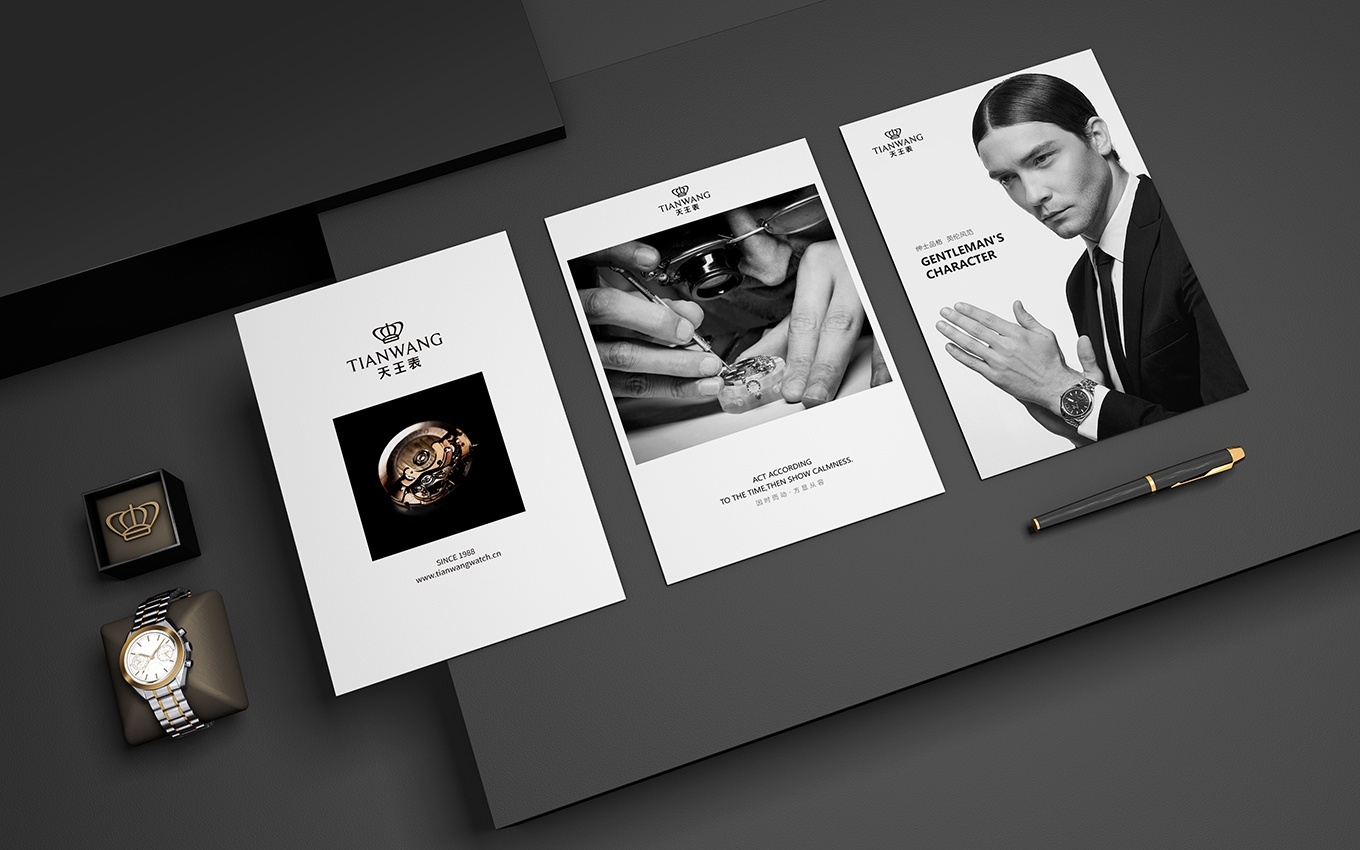 注:配圖為UCI設(shè)計(jì)公司作品
通過(guò)烏魯木齊品牌策劃公司的精彩分享,設(shè)計(jì)師更輕松快捷地掌握烏魯木齊品牌策劃公司分享的營(yíng)銷與設(shè)計(jì)知識(shí),幫助北京vi設(shè)計(jì)公司更好地服務(wù)好客戶 。

Copyright 2005-2024 ? UCI All Rights Reserved
聯(lián)合創(chuàng)智北京vi設(shè)計(jì)公司 版權(quán)所有

總監(jiān)微信咨詢 舒先生

業(yè)務(wù)咨詢 舒先生

業(yè)務(wù)咨詢 付小姐